

This Popular Car Accessory Has A Bigger Impact On MPG Than You Think
Removing the roof rack crossbars from you vehicle can improve your fuel economy
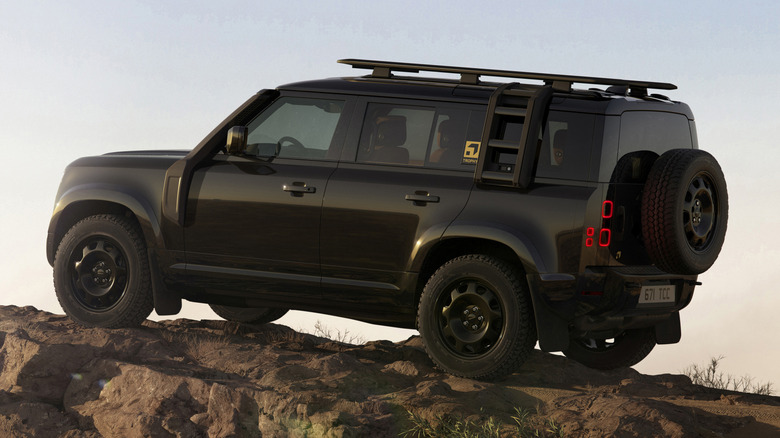
With fuel prices continually weighing on drivers' wallets, squeezing every possible mile out of a tank of gas is more of a priority than ever before. Common fuel-saving advice includes being light-footed on the gas pedal and monitoring the tire pressure from time to time. While those steps certainly help, other factors deserve equal attention, including a popular accessory sitting directly above your head that could be quietly costing you money in the long run.
If you haven't guessed by now, we are talking about roof racks. Automakers spend millions of dollars fine-tuning vehicle aerodynamics, but practicality demands and aftermarket trends often compromise that work by significantly worsening a vehicle's drag coefficient.
We all know that crossbars and cargo boxes are undeniably useful for longer road trips, family vacations, and camping adventures. However, if you keep driving your daily with an unused roof rack, you effectively impose a continuous tax on your efficiency.
How much MPG do you actually lose?
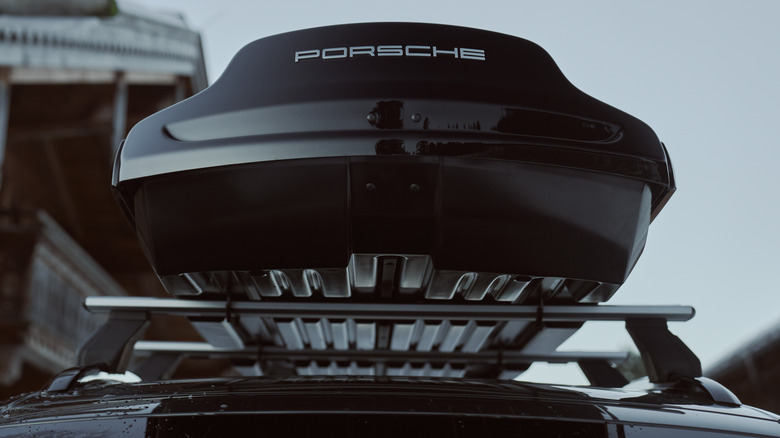
The main issue with roof racks and pretty much any other exterior add-on is the inevitable increase in aerodynamic drag, although weight could also play its role. Roof-mounted accessories not only increase the frontal area but also interrupt the smooth airflow over the vehicle, causing turbulence.
Physics taught us that these negative effects become far more pronounced at highway speeds. Meanwhile, even factory accessories with an aerodynamically optimized shape can take a heavy toll on overall efficiency.
A few years ago, our colleagues at Car and Driver discovered that removing the factory crossbars from their Kia Carnival press car delivered an instant improvement, bumping real-world fuel economy from 25 to 28 mpg. As a result, the minivan's highway range expanded by a full 60 miles (97 km).
In another test conducted by Consumer Reports, a Nissan Altima sedan suffered an 11% drop (5 mpg) in fuel economy at 65 mph (105 km/h) when a roof rack was installed. When combined with a roof carrier box, the efficiency toll increased to 19% (9 mpg). The effects proved to be less dramatic in a boxier SUV, but driving without a roof rack will always save you gas money.
The rise of rugged accessories

In recent years, SUVs with rugged styling cues are gaining popularity, and designers are trying their best to make them look tougher and more capable. This trend also stems from China, where local automakers are copying various details from iconic 4x4s when designing their high-tech SUVs with electric or range-extender powertrains.
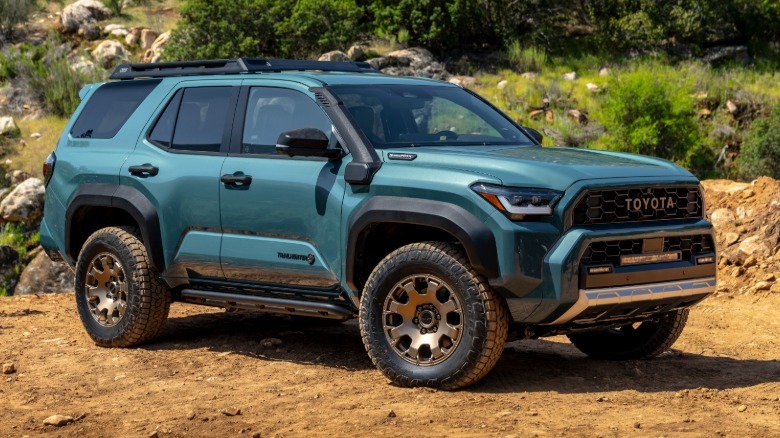
Of course, thoroughbred off-roaders such as the Jeep Wrangler, Ford Bronco, Land Cruiser, Toyota 4Runner, Mercedes G-Class and Land Rover Defender were not designed to be the stars of aerodynamic efficiency in the first place. Thus, adding fender extensions, skid plates, high-clearance suspension, snorkels, roof racks, and auxiliary LED light bars won't drastically alter their already boxy drag profiles.
However, opting for similar accessories in soft-core crossovers and SUVs, hatchbacks, wagons, and minivans will force their drivers to make more frequent stops at gas stations, adding an avoidable expense to the growing cost of vehicle ownership.
 Toyota