

China's Chery Considers Partnering With A US Automaker, Does Detroit Have Another Option?
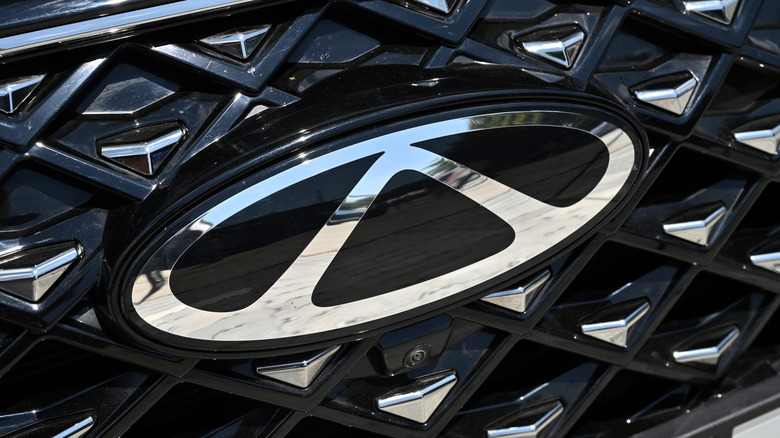
China's automakers have already steamrolled into Europe, where they account for one in every 10 cars sold, and they are busy setting up shop in Canada. Now, they've got their eye on the U.S. market, and to get them inside, they're considering enlisting the help of the very American brands they want to beat.
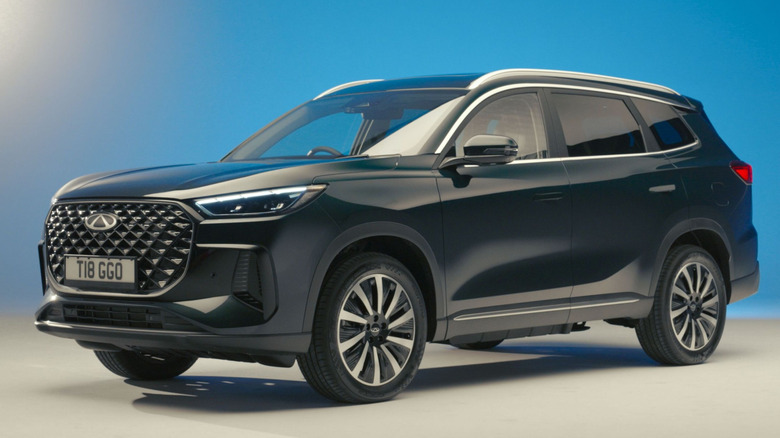
Chery, which sells cars, trucks and SUVs under its own name, and also badged as Omoda and Jaecoo, is open to partnering with U.S. automakers, a senior executive told Reuters. Vice President Charlie Zhang said Chery is planning its entry to Canada for early next year, after Prime Minister Mark Carney's government opened the door to Chinese brands during trade negotiations in January. Chery already sells vehicles in Mexico. But accessing the U.S. is proving more complicated.
"The U.S., obviously we are trying to look for different options there," said Zhang, referencing the 100% tariff currently placed on imported Chinese vehicles, and a ban on Chinese vehicle software that has forced Geely-owned Polestar to exit the U.S. this year.
"We're very open to different options, even potential partnership with American automakers," Zhang explained. "Definitely from a technical point of view we will be able to find a China-free solution in terms of hardware and software."
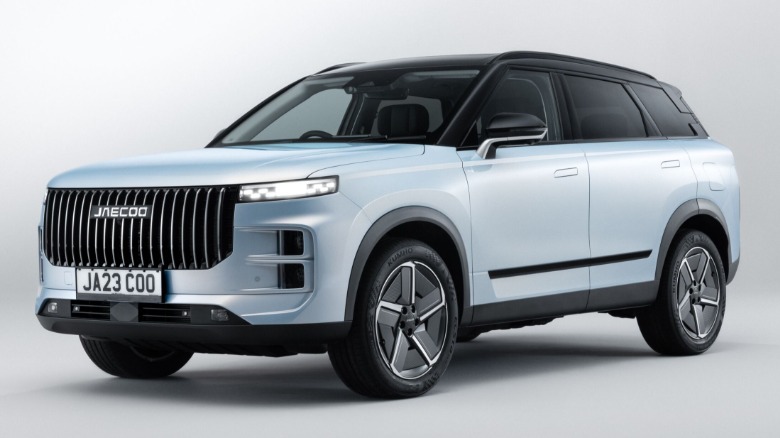
Chery is certainly ambitious, and its success in Europe will have only made it more sure it can crack North America. The automaker's Jaecoo 7 was mocked in the British press as a "Temu Range Rover" for its visual similarity to cars like the Range Rover Velar. But Jaecoo had the last laugh when the 7 became the first ever Chinese car to top the U.K. sales chart in March. Now the main Chery brand has landed, and is making strides in the same direction.
Should Detroit keep its enemies close?
U.S. automaker chiefs, including Ford's Jim Farley, are already openly acknowledging that they can't bank on Chinese brands being kept outside of this market forever, even though lawmakers are currently debating whether to tighten up the restrictions. Farley told guests at a recent industry conference to expect the U.S. border to be breached in 5-10 years.
That possibility must have some Detroit suits wondering whether they'd be better off working with those hungry, fast moving and efficient brands, rather than trying to fight them off. A partnership like the one Zhang hinted at could theoretically result in Ford or GM building cars for Chery, which would legally allow it to get a foothold in the U.S. while remaining compliant with rules about imports and Chinese software.
U.S. President Donald Trump has previously said he would be open to Chinese automakers setting up plants in America if it meant more jobs for American workers. Detroit and the United Auto Workers (UAW) union are unlikely to be so welcoming. Japanese brands faced similar opposition in the early 1980s, but Honda, Nissan, Toyota, and Subaru all now have plants in the U.S. that are important to the American economy and accepted as American businesses.
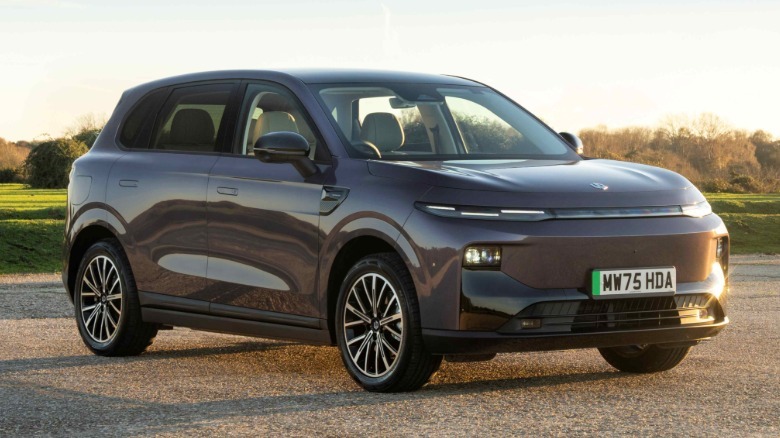
Stellantis, the automaker parent company of brands like Dodge, Jeep, Ram, and Fiat, decided three years ago that the best way to deal with the Chinese threat was to work with it, not against it. Stellantis bought a 21 stake in China's Leapmotor to create a joint venture 51 percent controlled by Stellantis. It now both sells and builds Leapmotor cars in Europe, and it plans to import models to Canada direct from China, after shelving a proposal to build them at its idled Brampton, Ontario, plant.