

China Could Crack Down On Huge Interior Screens, After Pop-Out Handle Ban
More than just a little distracting, the screens are a big safety concern
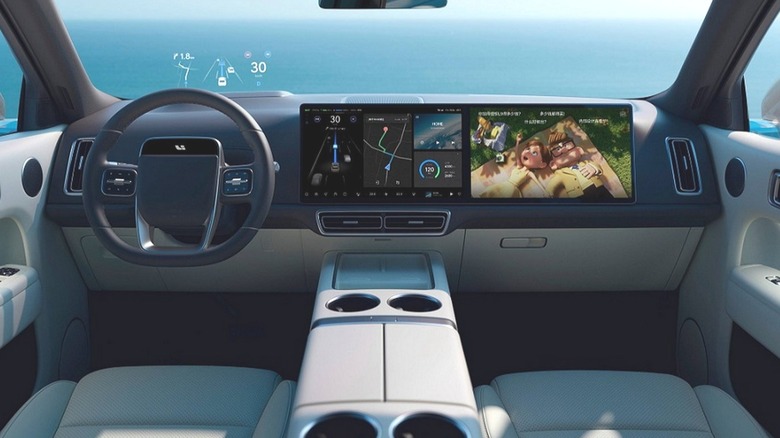
Chinese regulators seem to be paying a reasonable amount of attention to the functional operation of modern EVs — not letting things get out of hand when it comes to sleek modern tech. They've not only banned those infuriating electronic pop-out door handles that have made their way around the industry in recent years, but they're also working to ensure key vehicle controls use physical buttons and switches. It's now been revealed that they're looking into touchscreens and other distracting interior features.
A recent notice published by the Ministry of Industry and Information Technology (MIIT) reveals that a blanket ban on vehicles using flexible and folding displays could be instituted. As far as we're aware, no Chinese production vehicle offers a folding display, but the technology for folding displays certainly exists, and local technology company BOE previewed a curving screen earlier this year.
The notice says regulators may require large infotainment screens, other displays, and HUDs to undergo assessments for driver safety, crash safety, and reliability in extreme conditions before they can be provided and sold. This could mean certain screens may be banned if they're too distracting. That would be bad news for local car manufacturers, many of whom are fitting new cars with ever-larger screens, especially for front-seat passengers.
Zero gravity seats are also being probed
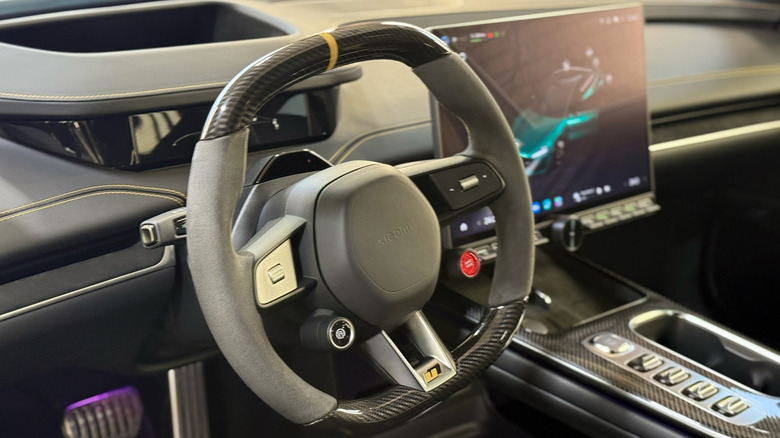
The proposal puts several other common features under the microscope. For example, China may ban 'zero gravity' seats while a vehicle is in motion. These seats, which usually recline and have large leg rests, can't be used by a driver while the vehicle is moving, but nothing often stops a passenger from using them. The notice doesn't say why investigators are probing these seats, but it's likely due to safety concerns.
Similarly, investigators are examining LED daytime running lights that support user-generated designs. Regulators have also proposed banning the use of voice commands for critical safety functions, such as operating the headlights, opening the doors, and opening the hood. If the proposed new rules are approved, vehicles manufactured from January 1, 2027, will need to comply, and those already on the market will need to be updated by July 1, 2027. CNEVPost reports that noncompliant vehicles must be recalled or pulled from production.