

The Mazda 2 Is Dead, But Something Else Is Taking Its Place
It was only a matter of time
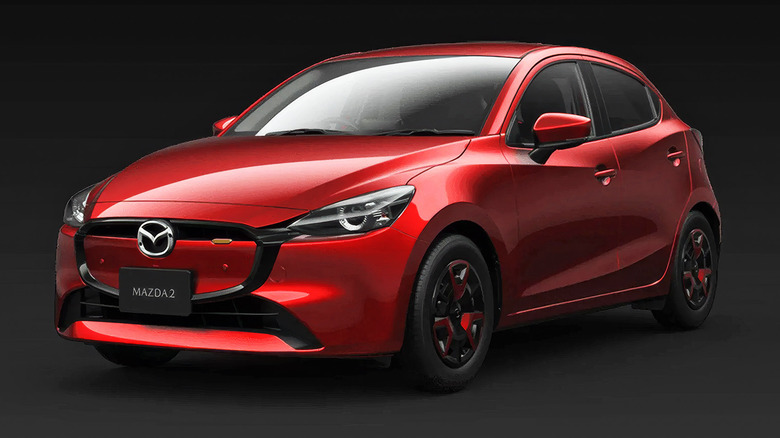
While the world was expecting the Mazda 2 to enter a new generation in the coming years, the automaker has confirmed it will be phased out and replaced by a different model. According to Mazda, the long-serving supermini will give way to the next-generation CX-3 subcompact crossover, with the two lines effectively merging into one.
The announcement was part of Mazda's Integrated Report for 2026, which is currently available only in Japanese. Within the official PDF file, Chief Technology Officer Ryuichi Umeshita outlined the transition for Mazda's entry-level products: "In 2027, we plan to introduce the next-generation Mazda CX-3, produced at our plant in Thailand, to the Japanese and ASEAN markets. It will expand Mazda's value as a new-era entry model, replacing the Mazda 2."
The next generation of the CX-3 was confirmed in Mazda's mid-year financial report in August 2026, although the company had shown official sketches of a subcompact crossover in February 2025. The latest report reveals it will come fitted with a mild-hybrid powertrain, although technical specifications about the engine displacement and output are still under wraps.
Sharper looks, global availability
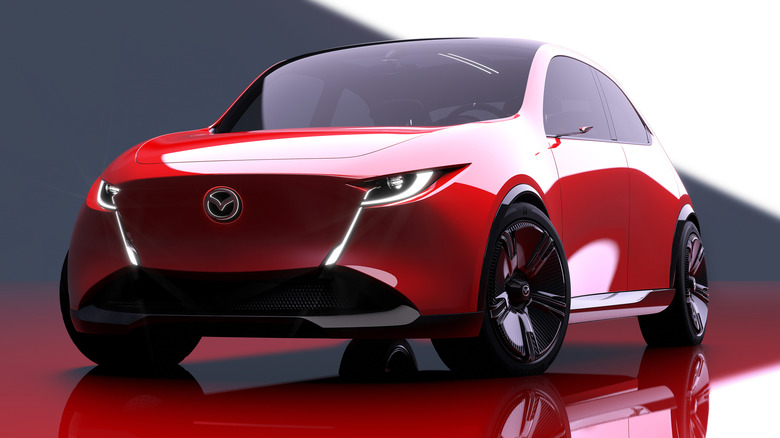
The CX-3 will adopt Mazda's evolved styling language, inspired by the Vision X-Compact concept that debuted at the Japan Mobility Show in late 2025. The hatchback-style stance and tiny footprint of the concept tricked the world into believing it was going to evolve into a new Mazda 2. However, it now seems that the higher-margin crossover is the one that got the green light for production.
The official sketches suggest that the CX-3 will borrow a few styling features from the much larger CX-5, albeit in a much chunkier and slightly sportier way. We also expect it to gain the latest technology Mazda has to offer in terms of infotainment and driving assistance.
As with the current generation, the next CX-3 will be manufactured at the AutoAlliance Thailand (AAT) facility, following a 5 billion baht ($150 million) investment. The subcompact SUV will be sold in Japan, ASEAN regions, and additional global markets. Europe is possible, although North America will likely stick to the larger CX-30 as the entry point in the Mazda lineup.
What about the current models?
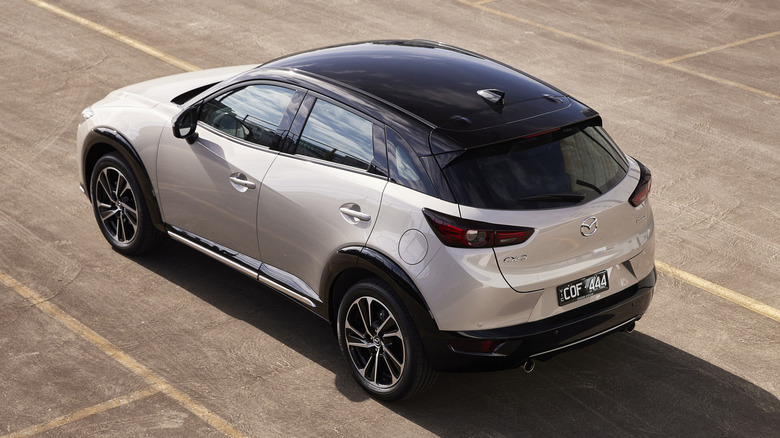
Earlier this year, leaked documents from Japan indicated that Mazda was planning to end production of the current Mazda 2 and CX-3 before the end of 2026. The mechanically related models have been around largely unchanged since 2014, although Mazda tried to keep them relevant with subtle facelifts and technological updates.
Despite the Mazda2's upcoming global sunset, the Australian division of the brand is determined to keep offering it in local dealerships. As reported by Drive, a Mazda Australia spokesperson said that sales of the Mazda 2 Down Under will continue "well into the future", which effectively means for as long as factory allocations permit. Note that Australia never got the much newer Mazda 2 Hybrid, which is a rebadged version of the Toyota Yaris, exclusively available in Europe and the UK.
Besides the news about the small hatchback and crossover duo, the latest Mazda Integrated Report outlines the "Brand Value Management" strategy for 2035. The Japanese automaker will focus on improving the customer experience, supporting its people and organization, creating a resilient supply chain, creating a positive social and environmental impact, and enhancing its value as a brand.