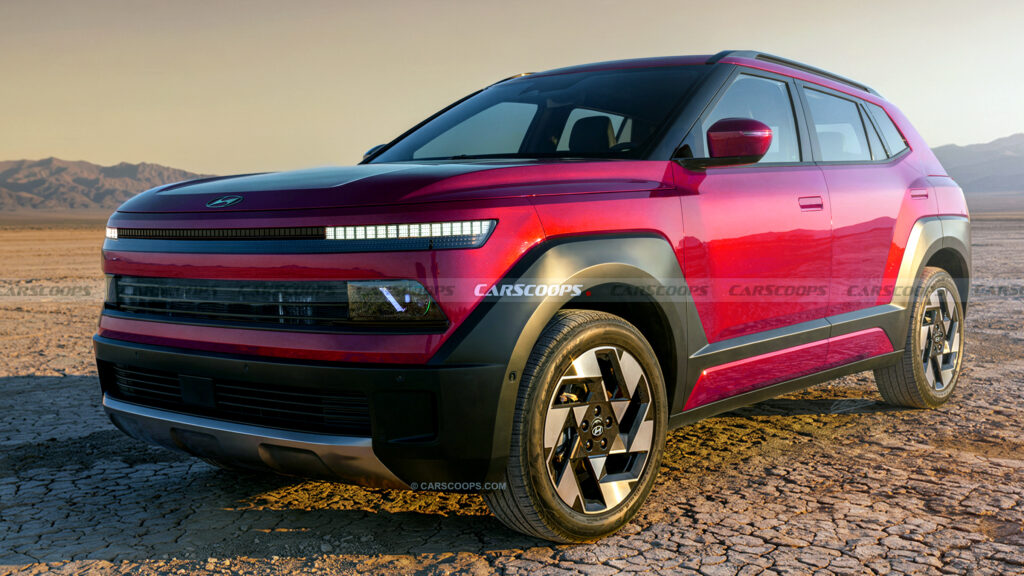
- Our render imagines a new Mitsubishi Lancer based on the Nissan Sentra.
- An alliance-led rebadge could bring back the sedan at lower cost.
- Such a model would give U.S. dealers a needed entry-level option.
Mitsubishi has spent the past few years deep in a badge-engineering spree, from the Renault-based Eclipse Cross and Grandis in Europe to the Nissan Leaf-based Eclipse Sportback, and the pace of it raises an obvious question. Could that same corporate parts-sharing logic stretch into the sedan segment? The thought that surfaces first is a reborn Lancer riding on Nissan hardware, positioned as the entry point to Mitsubishi’s North American range now that the budget Mirage has been put out to pasture.
A caveat before going further. Nothing here is official, and Mitsubishi has announced no new sedans. But if a Lancer ever did get the green light, the company almost certainly wouldn’t swallow the enormous R&D bill that comes with engineering one from the ground up.
More: Mitsubishi Returns To The UK Without The Only Name That Matters
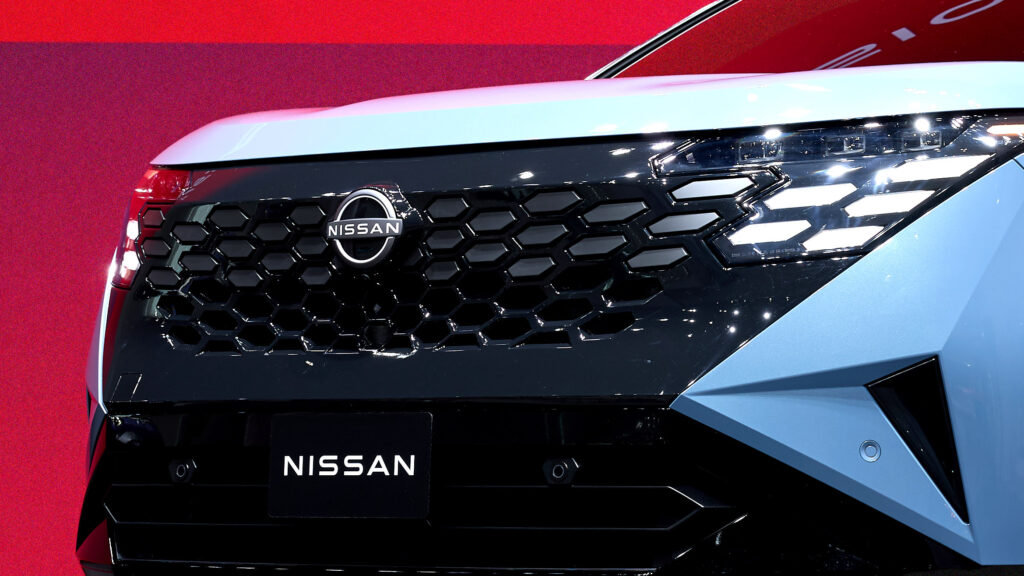
The quickest, cheapest route back for the nameplate runs straight through the alliance parts bin in the shape of a rebadged Nissan Sentra. That car picked up a substantial facelift for the 2026 model year, with sharper styling and more cabin tech.
Exploiting Alliance Synergies
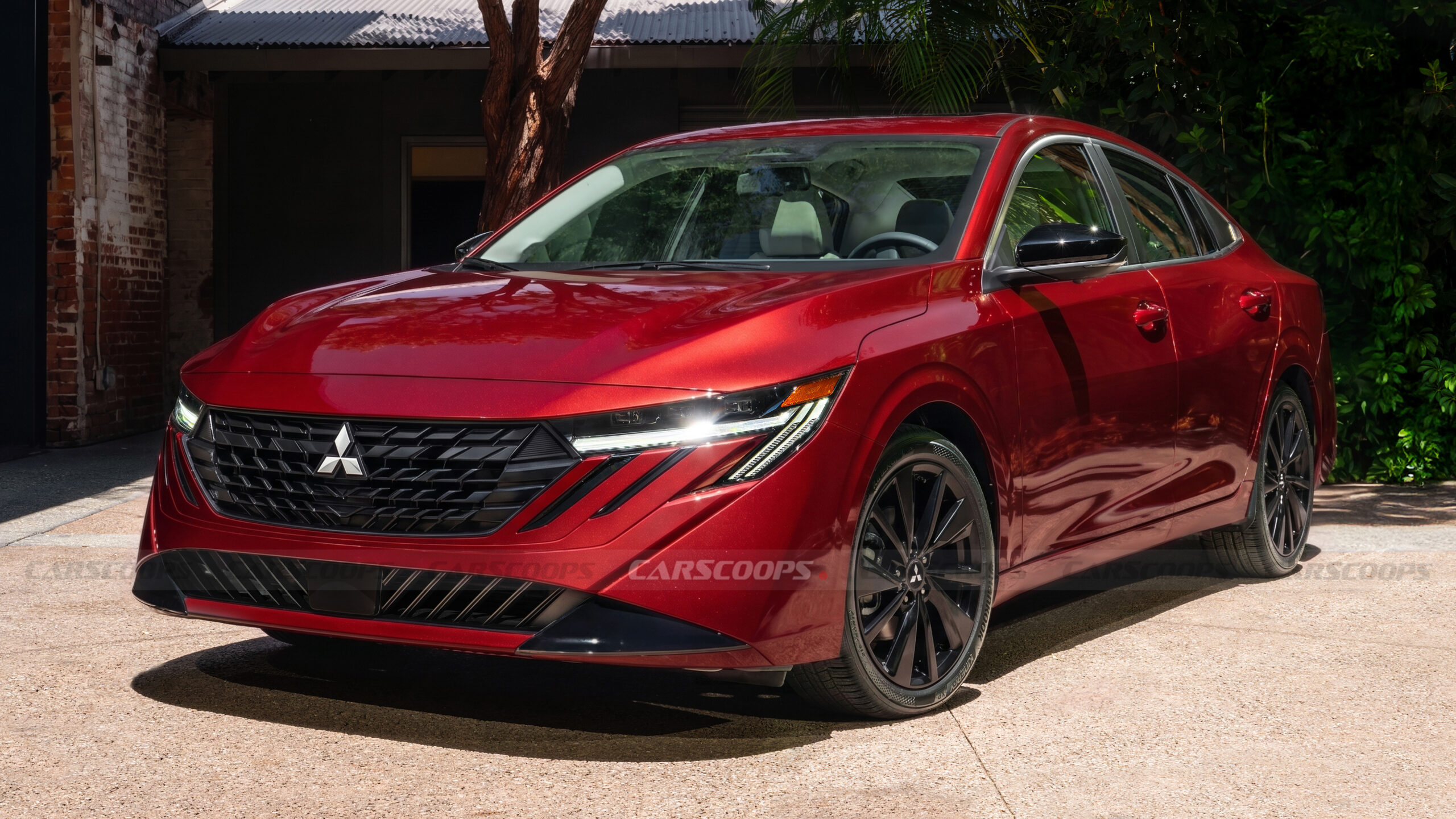
A Sentra-based sedan would walk a path already worn smooth. The Nissan Rogue Plug-In Hybrid is a rebadged Mitsubishi Outlander, and the newer Mitsubishi Eclipse Sportback EV is a twin to the Nissan Leaf.
The current Sentra measures 183.3 inches (4,655 mm) long on a 106.5-inch (2,705 mm) wheelbase, which puts it within arm’s reach of the long-dead Lancer. The Nissan actually runs 1.2 inches (30 mm) longer and stretches an extra 2.8 inches (70 mm) between the axles versus the old Mitsubishi.
More: Good News, There’s A New Mitsubishi Eclipse. Bad News, It’s A Rebadged Nissan Leaf
Our rendering imagines the fictional Lancer with minimum changes compared to the donor vehicle focused on the redesigned grille with the Triple Diamond emblem. While we could easily add silver accents creating a Mitsubishi Dynamic Shield, the black inserts give it a sporty note alongside the matching alloy wheels. The rest of the sheet metal is carried over completely untouched to ensure production costs remain rock-bottom.
As is the case with badge engineering projects, the model would utilize the existing Nissan architecture and powertrains. The naturally aspirated 2.0-liter four produces 149 hp (111 kW / 151 PS), routed to the front wheels through an Xtronic CVT.
The Return Of The Affordable Sedan
Then there’s where it would slot in. The Sentra opens at $22,600, which would make a Lancer twin the cheapest new Mitsubishi sold in the US, slipping under the $24,995 Outlander Sport. It would also stand as the only sedan in the lineup, handing dealers exactly what they’ve been asking for in a market starved of cheaper cars.
More: Mitsubishi Lancer EVO Might Not Be As Dead As You Think
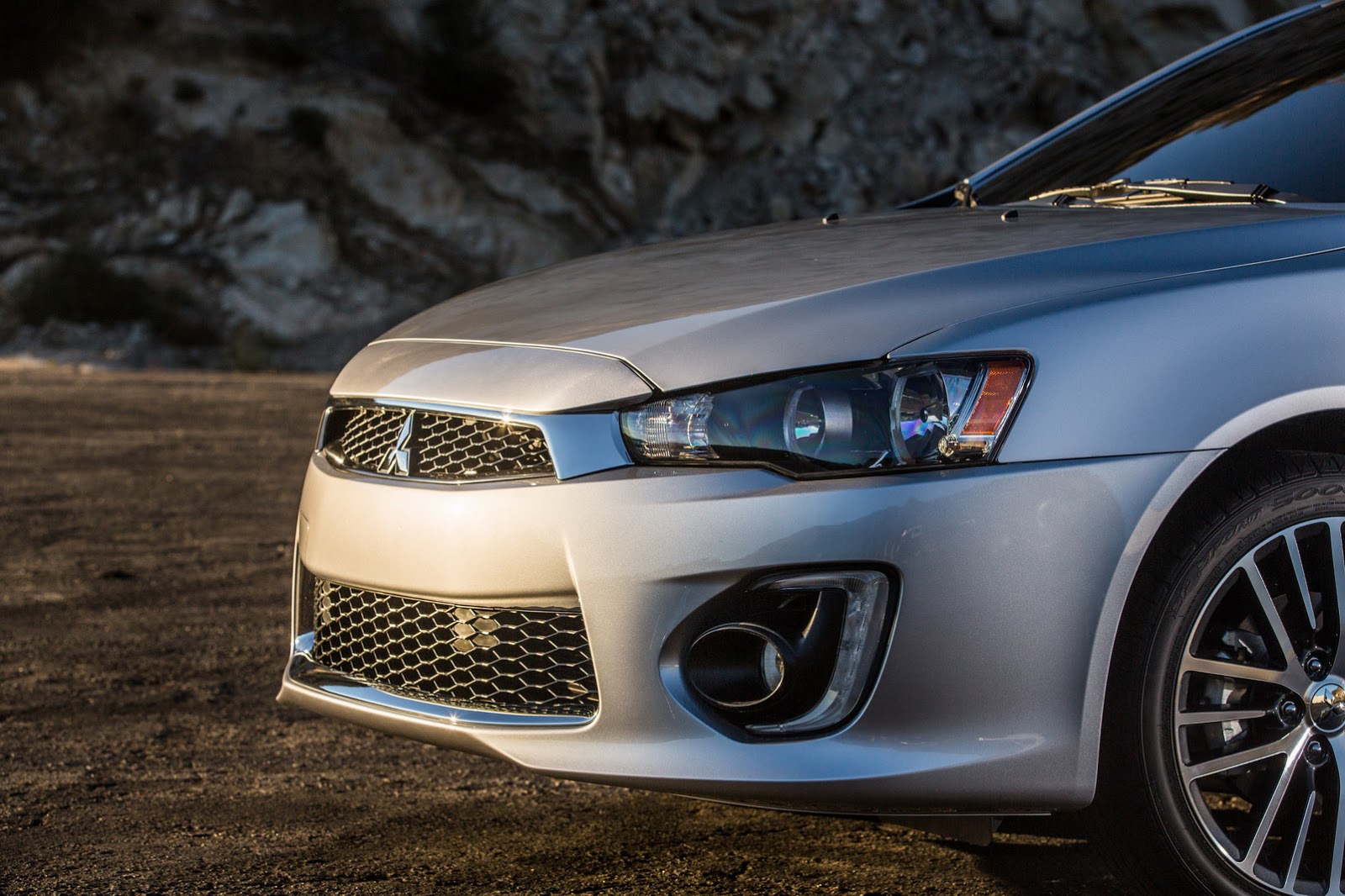
The Mitsubishi Lancer arrived in the US in 2001 as the replacement for the fifth-generation Mirage, which was still a compact car back then. Front-drive base trims handled the affordable-commuter brief, while the rally-bred, AWD Evolution versions went straight for the hearts of enthusiasts. As buyers drifted toward crossovers and SUVs, Mitsubishi retired the Evo in 2015 and dropped the Lancer altogether in 2017.
The Problem With Slapping the Name on a Sentra



Photos Mitsubishi
There’s an obvious objection to all of this. Reviving the Lancer as a rebadged Sentra would mean burning one of Mitsubishi’s most storied nameplates on a car that shares nothing with what made it worth remembering.
The name carries weight because of the Evolution, the rally-bred AWD monster that built Mitsubishi’s performance reputation across special stages and on the street. The garden-variety front-drive Lancers were never the draw. Hanging the badge on a CVT-equipped commuter sedan would trade on that history while delivering none of it, and the people who care about the name are exactly the people who’d clock it from across the parking lot.
Europe Already Runs On Renault Parts


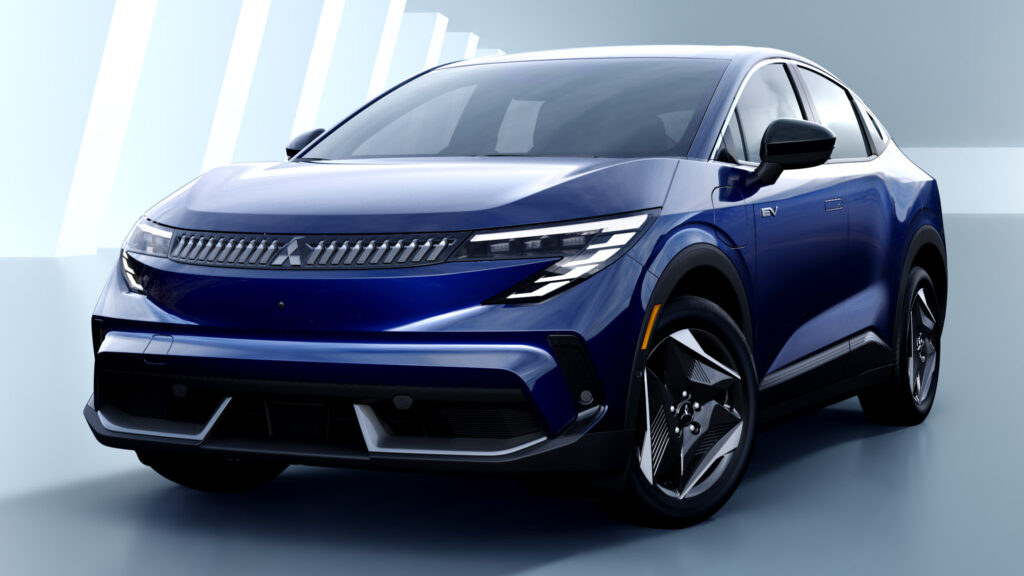
The Renault-based Mitsubishi Eclipse Cross EV.
In North America, the Leaf-based Eclipse Sportback EV stands as the only rebadged model, sold next to the regular Outlander and the aging Eclipse Cross and Outlander Sport. Across the Atlantic the story flips.
Most of Mitsubishi’s European lineup is built on Renault underpinnings. The Colt borrows from the Clio, the ASX from the Captur, the Grandis from the Symbioz, and the Eclipse Cross EV from the Scenic E-Tech, which leaves the Outlander as the only Mitsubishi-engineered car in the range