


- SignalTrace links Bluetooth devices and other identifiers to license plates.
- The system could help police track people rather than just vehicles.
- Privacy advocates will likely see the technology as a major escalation.
For years, automatic license plate readers have allegedly been all about the vehicle. That’s the argument that companies like Flock Safety make, claiming they’re not tracking people, they’re tracking cars. Putting aside that most people have just one car and that tracking the car is analogous to tracking the person, surveillance companies argue that they snap a photo, log a plate number, and create a record of where a car has been.
Now, a new technology promises to take that concept much further by linking the people inside the vehicle to the car itself. And it does that by tracking things like your pet, your phone, your earphones, and more.
SignalTrace Turns Plate Readers Into Device Trackers
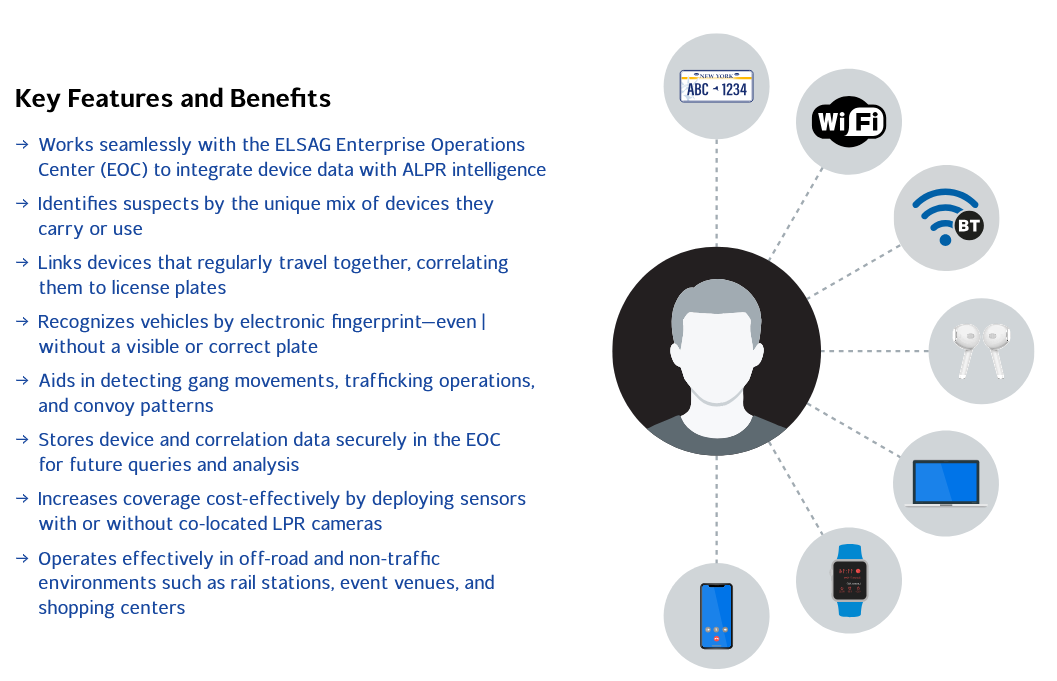
According to reporting from 404 Media, surveillance company Leonardo is promoting a product called SignalTrace that expands the capabilities of traditional automatic license plate readers. Rather than simply recording a vehicle’s plate number, the system is designed to collect signals from nearby electronic devices and associate them with specific vehicles over time.
Read: Flock Traffic Cameras Track Everything, Except The Cops Misusing Them
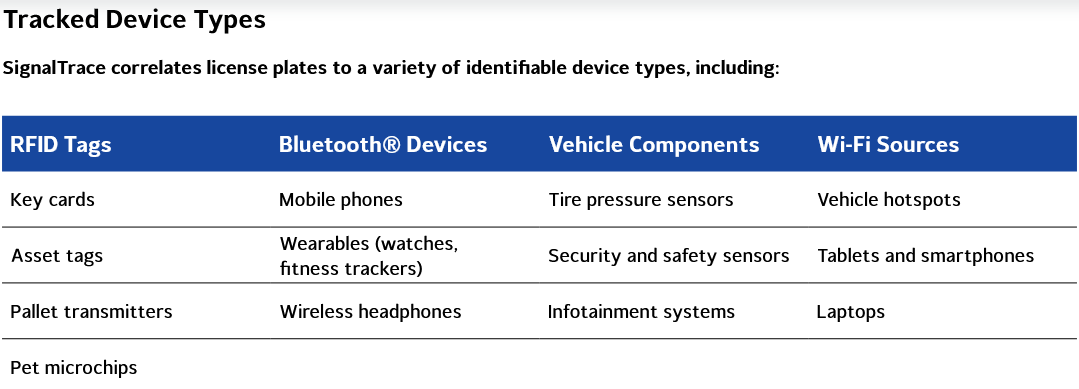
That includes Bluetooth-enabled devices such as smartphones, wireless earbuds, fitness trackers, and smartwatches. Leonardo’s product materials also suggest the technology can detect signals from vehicle systems, Wi-Fi devices, RFID tags, and even pet microchips. By analyzing which devices repeatedly travel alongside a specific vehicle, SignalTrace creates what Leonardo describes as an “electronic fingerprint” tied to that car.
Plates Can Change, Your Devices Can’t
The practical implication is obvious. Even if a vehicle changes license plates or removes them altogether, investigators could potentially identify the same vehicle by looking for the collection of devices that regularly accompany it. Product literature reportedly states that the system stores correlation data for future searches and analysis, allowing law enforcement agencies (and by extension, anyone with illicit access) to build historical records connecting devices, locations, and vehicles.
In many ways, this represents the next step in a trend already underway. License plate reader companies have increasingly looked for ways to identify not just vehicles but the people associated with them. Flock Safety, for example, records more than just plate information. While traditional ALPR systems track where a car has been, SignalTrace appears focused on creating a persistent digital signature for the occupants themselves.
Supporters will argue that such technology could help solve crimes and identify suspects who attempt to evade detection. Critics, however, are calling it a significant expansion of government surveillance capabilities, especially since many of the devices being tracked are carried by people who may have no connection to any criminal investigation. Abuse of traditional ALPR systems is already widespread, too.
Leonardo has not publicly commented on the technology beyond its marketing materials. Still, if SignalTrace reaches widespread use, the debate around license plate readers may soon shift from where your car has been to where your digital fingerprint is. And those with access to the data won’t need to worry about which car you’re in because your fingerprint is separate.