










- Automakers are rapidly expanding robotics and AI across North American factories.
- The UAW argues workers deserve a larger share of productivity gains.
- Automation could become a major issue in future labor negotiations.
For decades, the auto industry has fought over wages, benefits, and plant closures. Now, a new battle is emerging on factory floors across America, and it might be the most consequential one yet. As automakers race to deploy artificial intelligence, collaborative robots, and increasingly automated production systems, the UAW is warning that the technology revolution could come at workers’ expense.
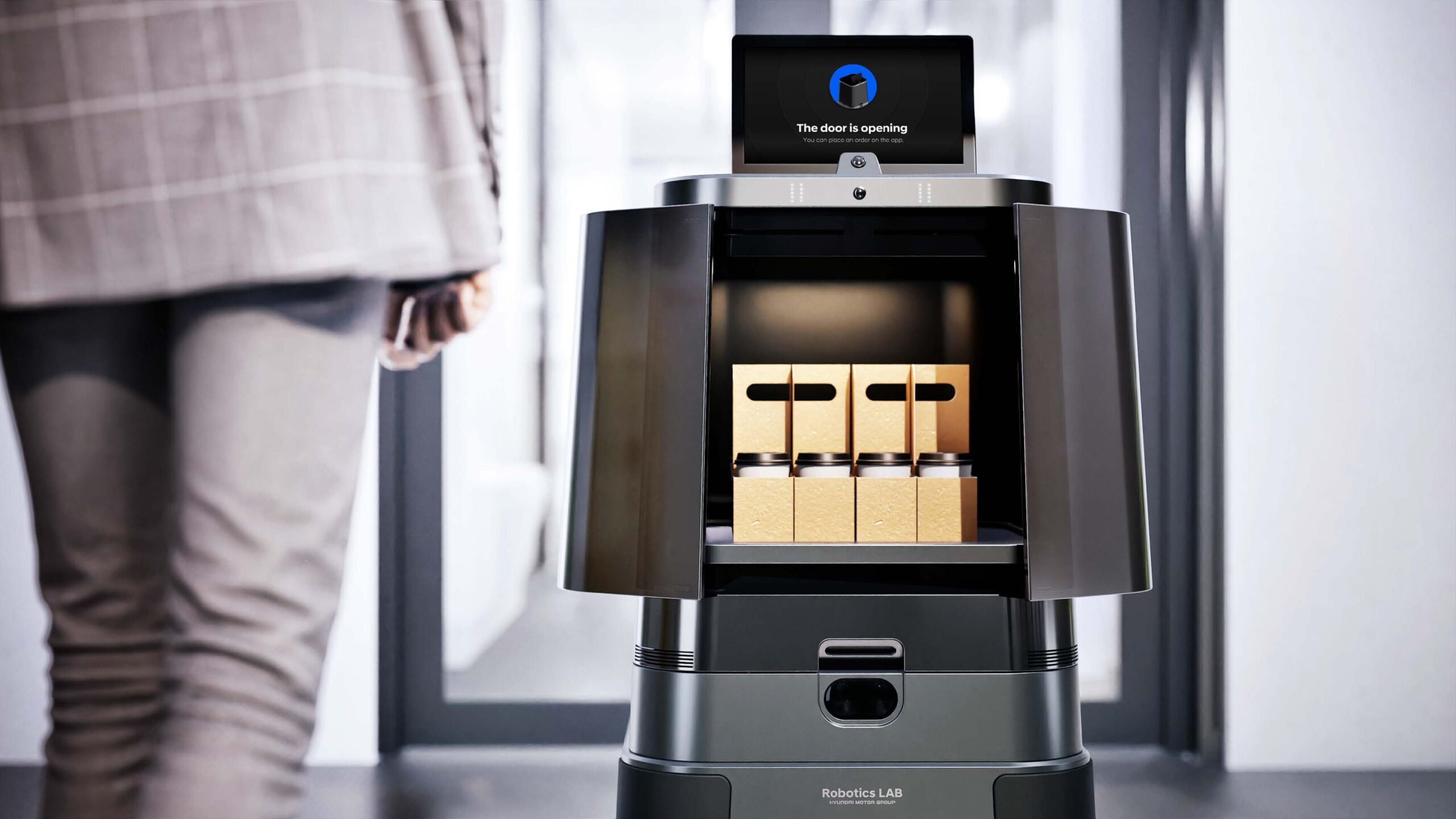
Read: America Asked For More Manufacturing Jobs, So Hyundai’s Sending Humanoid Robots
Speaking at the UAW Constitutional Convention in Detroit, UAW president Shawn Fain highlighted AI and robotics as growing threats to manufacturing jobs, according to The Detroit News. His concern isn’t necessarily the technology itself, but who benefits from it. As factories become more productive through automation, labor leaders argue that workers should share in those gains rather than watch jobs disappear.
An Old Argument, A New Setting
The argument itself isn’t new. If a pen factory discovers a way to produce 100 pens per hour instead of 10, most people would agree that everyone involved should benefit. Consumers might pay less, the company might earn more profit, and workers might receive better pay or work fewer hours. The debate surrounding AI and robotics in auto manufacturing boils down to the same question: who gets the gains when technology makes each worker dramatically more productive?
Shockingly, automakers see things differently, according to the UAW. No doubt, they face intense global competition. Much of that comes from rapidly advancing Chinese manufacturers. That pressure makes AI and robotics essential tools to improve efficiency, quality, and production cost reductions. It’s not just one or two brands that seem to think this way, either.
AI should work for working people, and we need a voice at the table to decide how it is used on the job.
— AFL-CIO ✊ (@AFLCIO) June 15, 2026
America’s unions are organizing to protect workers, and we’re fighting for an AI future in this country that works for ALL of us, not just big tech.https://t.co/5xjY9l01xx
General Motors says roughly 50 collaborative robots, or cobots, at Factory ZERO in Detroit help improve safety, flexibility, and operational efficiency. While the automaker points out that cobots require human interaction, it also laid off over 1,000 workers tied to EV production recently. That’s a tough combination in terms of optics.
Also: GM Added 50 ‘Cobots’ To A Plant Where It Just Laid Off Over 1,000 Workers
Hyundai, Nissan, Ford, Honda, and Stellantis also heavily employ robots and cobots to improve production. That makes this less about whether automation is coming and more about how its benefits are distributed.
Automakers argue that higher productivity helps keep factories competitive and protects long-term investment. The UAW believes workers deserve guarantees that technological progress won’t simply translate into fewer jobs. Which side ends up winning is something we likely won’t know for a few years to come.