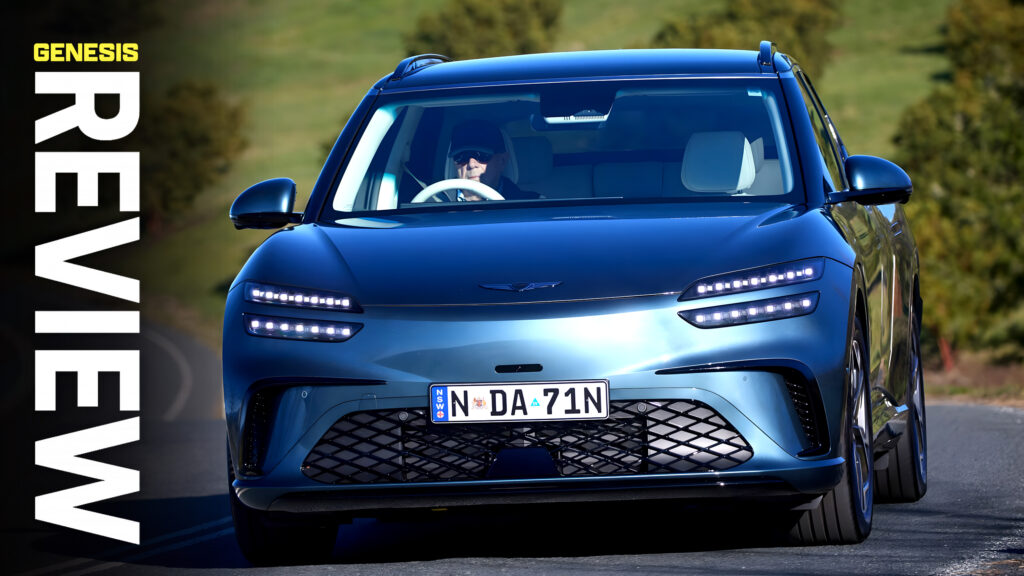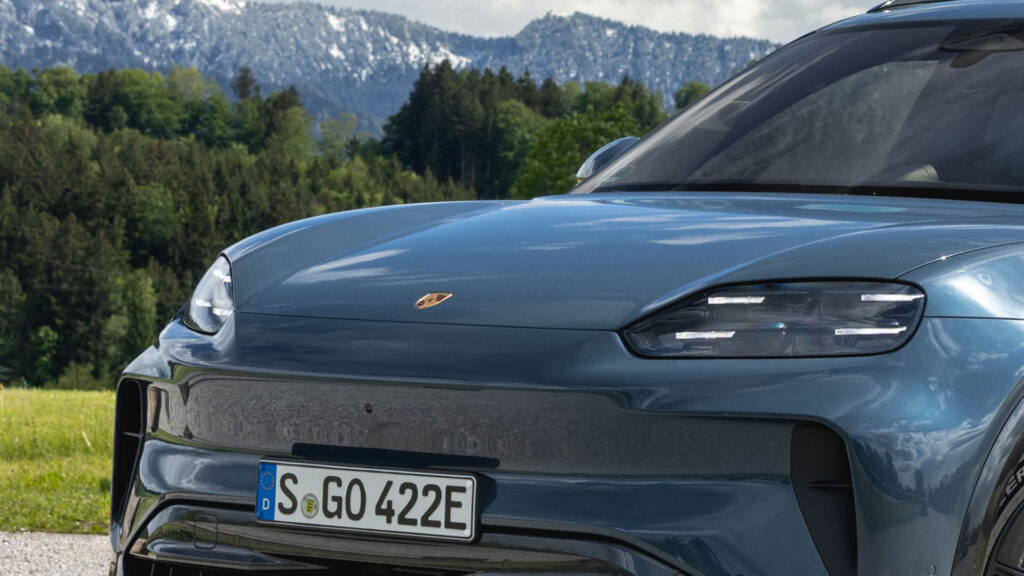
- Chinese brands captured 34% of Europe’s plug-in hybrid market in June.
- PHEV sales climbed as tariffs made battery-electric imports less appealing.
- Chinese EV sales across Europe have remained largely steady.
Europe’s tariffs on Chinese EVs were supposed to slow the advance across the region. Chinese brands responded by pivoting to plug-in hybrids instead, and the results speak for themselves. PHEVs from China now make up more than a third of the region’s plug-in hybrid sales. The tariff wall stands where it was, but the traffic routed around it, because the barrier went up around one powertrain and not the other.
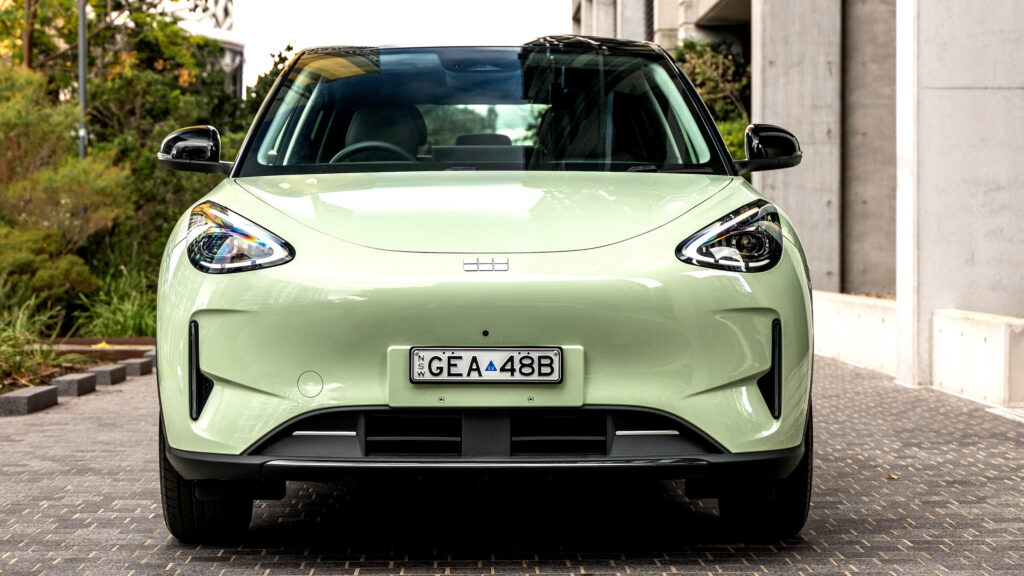
Local sales data shows Chinese firms taking a 34 percent share of PHEV deliveries last month, with BYD, Chery, and Geely leading the charge, alongside brands with European ownership ties such as Polestar and Leapmotor.
More: China’s Best-Seller Could Soon Be Built At A Ford Factory After Deal With Geely
Dataforce puts Chinese manufacturers at 11 percent of all new car sales in June and 15 percent of the EV market. That second figure sounds healthy, but EV sales haven’t kept pace with plug-in hybrids, hovering between 10 and 15 percent for the past 18 months.
Looking at the hybrid market as a whole, which includes hybrids and plug-ins, Chinese automakers had a market share close to 25 percent.
What Will Europe Do?
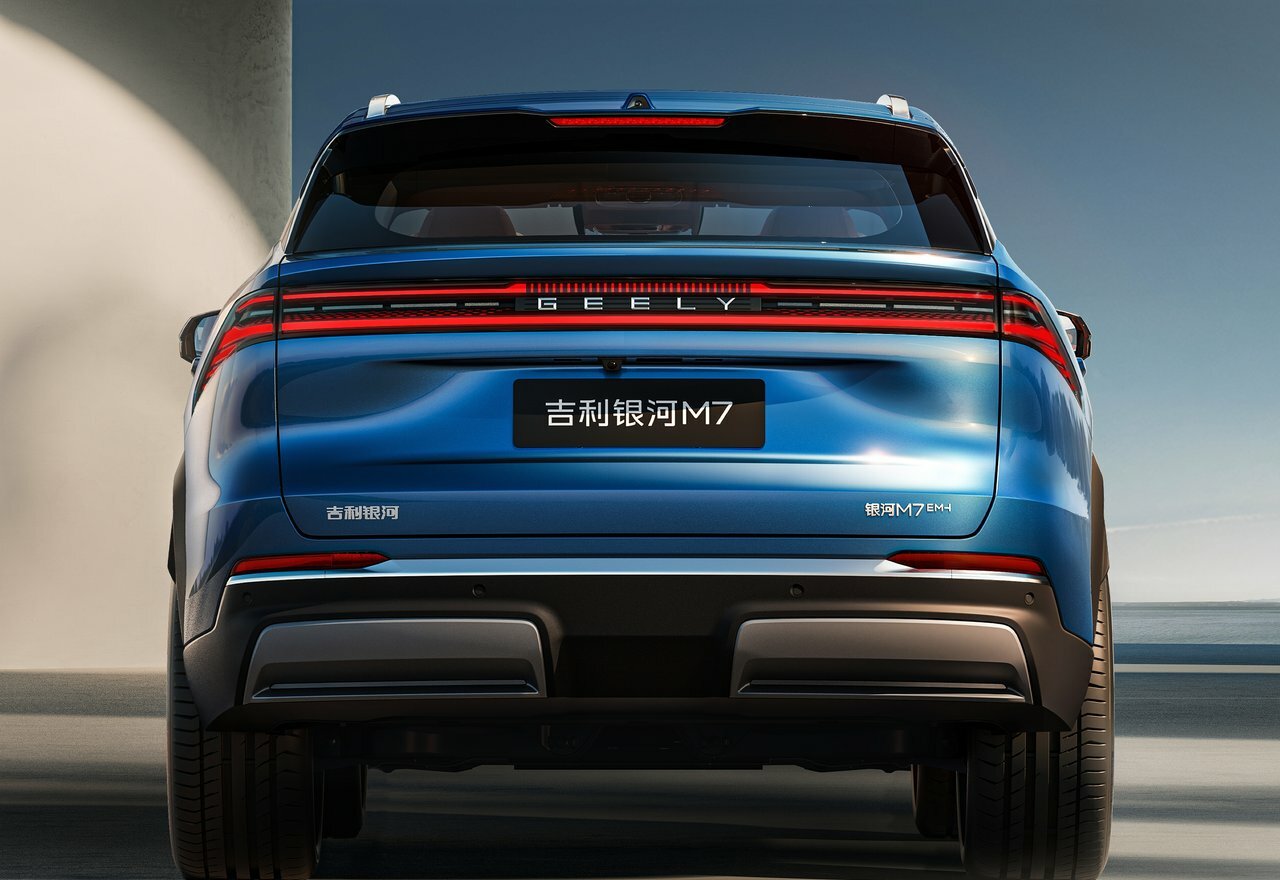
Europe’s answer likely won’t be economic measures aimed specifically to assist local car manufacturers, but rather to punish Chinese firms. The European Commission is moving closer to imposing tariffs against plug-in hybrids imported from China into the region. Handelsblatt reported that as soon as a majority of EU members give their approval to these new tariffs, they can be implemented.
Read: China Just Killed The PHEV As We Know It And Western Luxury Brands Are Paying The Price
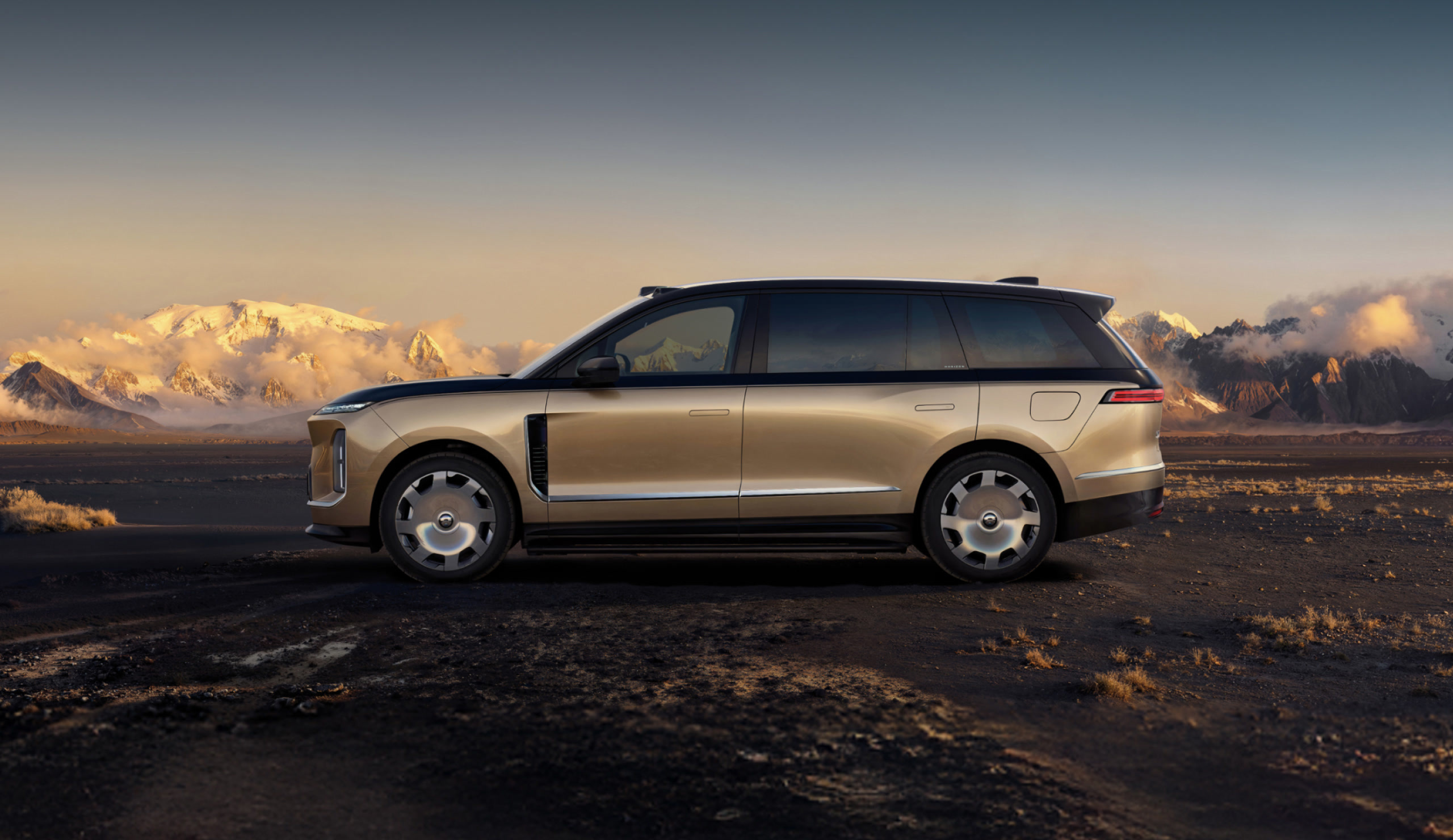
It’s understood that tariffs against PHEVs could follow a similar formula to those implemented against EVs in 2024. As such, they could vary between car manufacturers, depending on how they cooperate with European authorities. In the case of the EV tariffs, they vary between 7.8 and 35.3 percent.
The Chinese Are Now Building Locally
Importantly, Chinese brands may already have the answer to these new tariffs. Many have already committed to building vehicles in Europe, including BYD, which now operates a plant in Hungary, as well as SAIC, which will build a site in northern Spain. In addition, Auto News notes that Dongfeng, Chery, Geely, and Leapmotor will or could use existing plants in Europe to build their own vehicles, skirting around any potential new tariffs.