


- Tesla’s Cybertruck is falling even shorter of expectations than Ford’s infamous Edsel.
- Both vehicles paired bold engineering with polarizing styling and lofty sales ambitions.
- Commercial failure doesn’t erase innovations that could shape future vehicles.
The Ford Edsel has spent nearly seven decades as the auto industry’s gold standard for commercial failure. If Tesla’s Cybertruck stays on its current trajectory, it’ll own that title outright, a comparison Bloomberg recently drew as well. The irony is that, much like Ford’s infamous flop, the Cybertruck is far more interesting as an engineering exercise than its sales figures suggest.
Ford expected to sell around 200,000 Edsels during its first model year after launching the car in 1957. Instead, it managed less than one-third of that target before sales continued falling until the model was discontinued just two years later. Tesla’s numbers somehow look dramatically worse.
The Numbers Don’t Add Up
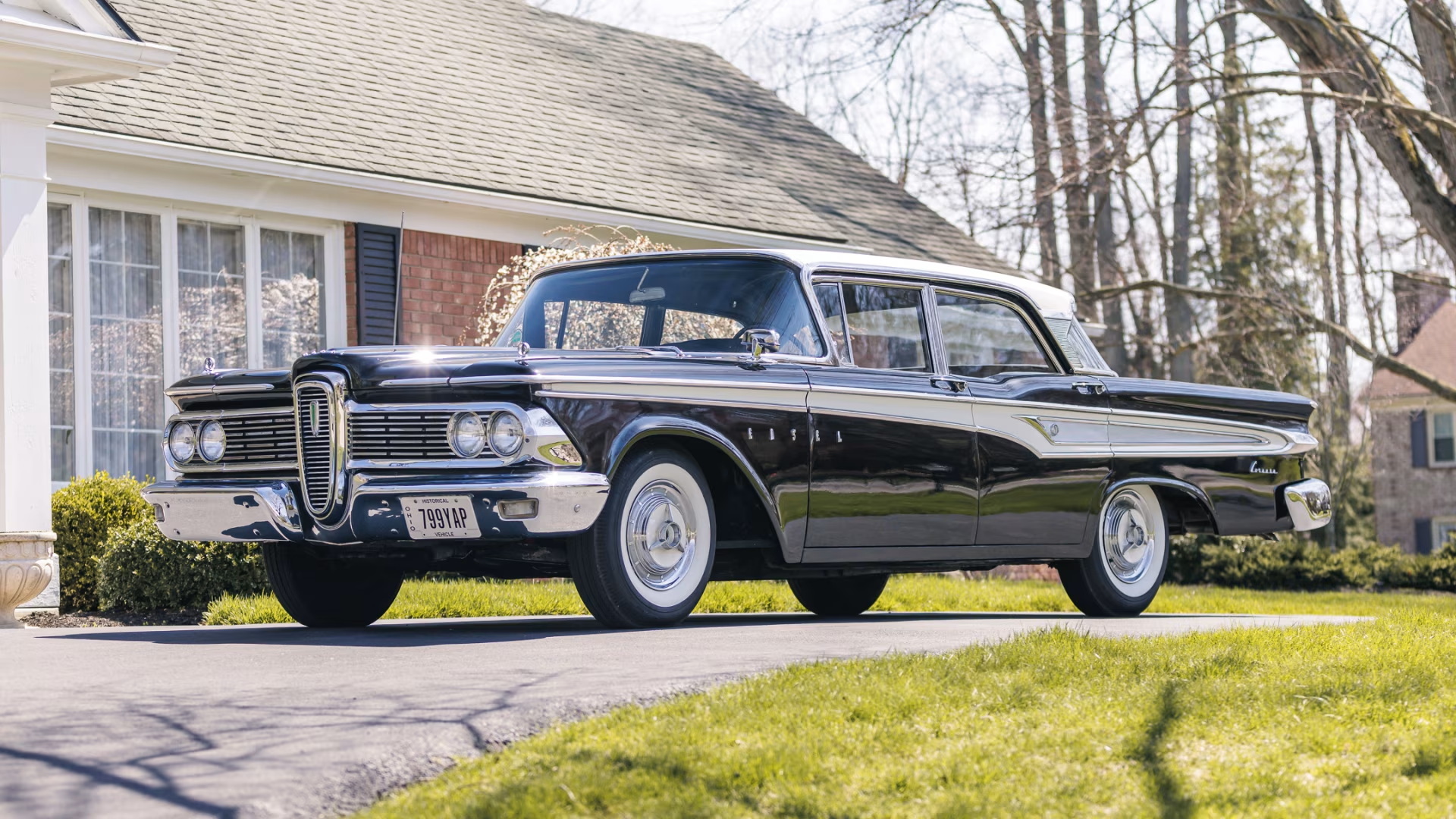
1959 Edsel Corsair Sedan (Photo: Mecum)
Elon Musk once suggested Tesla could eventually build more than 250,000 Cybertrucks annually if demand existed. According to new S&P Global Mobility registration data cited by Bloomberg, only 7,133 Cybertrucks were registered in the U.S. through May. Even allowing for a partial year, the truck remains on pace for well under one-sixth of Musk’s stated ambition. The figures look worse the further we dig.
More: $131 Million Worth Of Cybertrucks Went To One Buyer, And Elon Musk Owns It
Edsel’s sales peaked during its first year. The Cybertruck saw its current peak, around 39,000 units, during its first year as well. Last year, Tesla sold around 20,000, and it had a little bit of help that Edsel never did. During Q4, almost 19 percent of all Cybertruck sales were to Musk-controlled companies. Now, through half of 2026, it appears that Tesla is on pace for roughly 18,000 Cybertruck sales unless Musk’s brands buy up plenty more or demand inexplicably jumps.
Innovation At The Wrong Price And Time
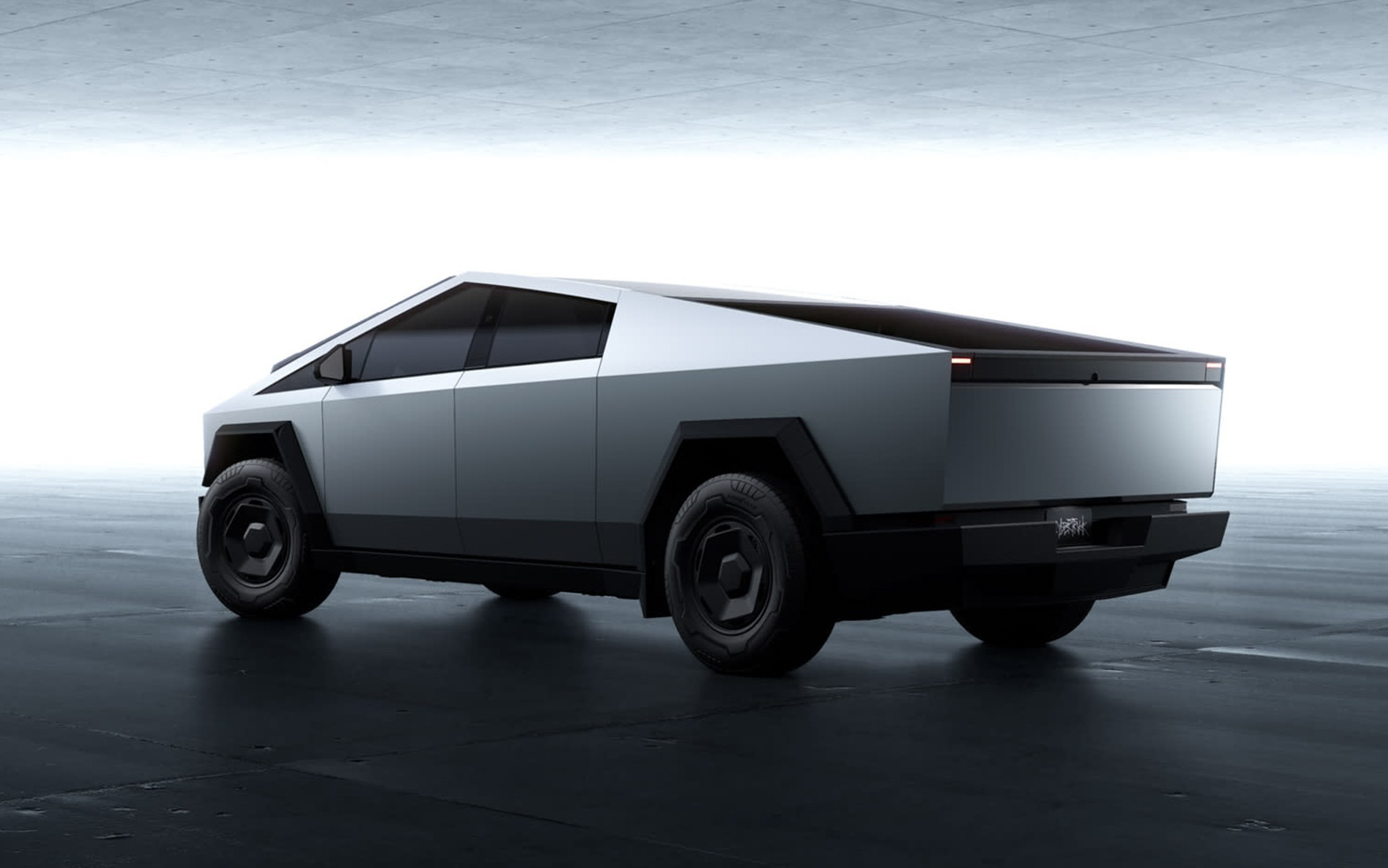
Both vehicles arrived with styling that immediately divided opinion. Both promised to redefine their respective segments. And both were introduced with expectations that ultimately proved far too optimistic. Yet dismissing either vehicle as simply a failure ignores what each brought to the table.
The Edsel wasn’t just remembered for its controversial grille. It also introduced genuinely forward-thinking ideas, including its steering-wheel-mounted Teletouch push-button transmission. The system proved unreliable, but it represented the sort of ambitious thinking that’s increasingly rare in the auto industry. The Cybertruck deserves similar credit.
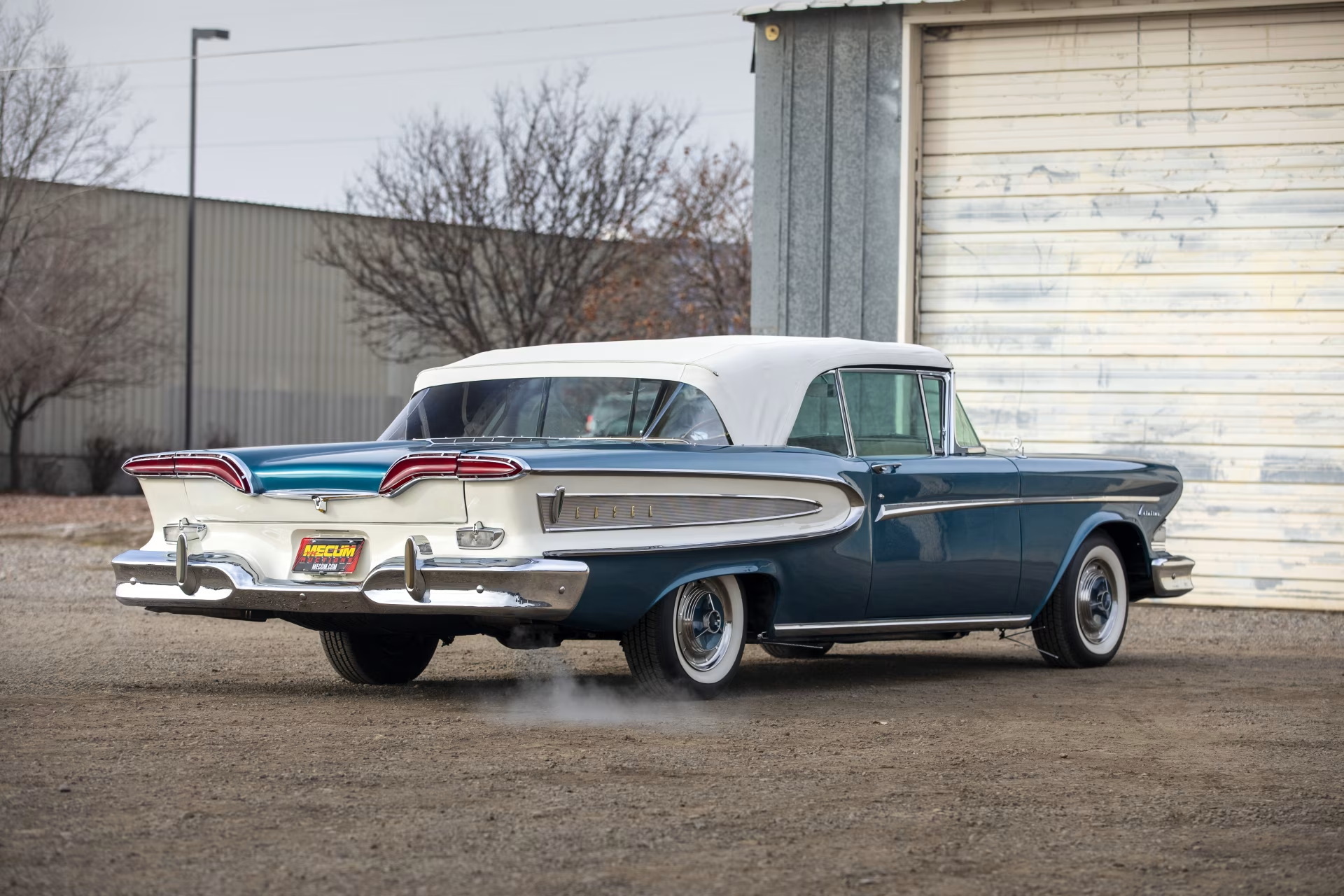
1958 Edsel Citation Convertible (Photo: Mecum)
Setting Musk aside for a moment, Tesla’s pickup is one of the boldest production vehicles we’ve seen in decades. Its steer-by-wire system fundamentally changes the driving experience, making a full-size pickup feel unexpectedly agile while eliminating the traditional mechanical connection between the steering wheel and front axle.
Its 48-volt electrical architecture is another significant step forward, reducing wiring complexity and weight while laying the groundwork for future vehicle electronics. Those aren’t marketing gimmicks. They’re genuine engineering advances that many competitors will likely adopt in one form or another. Unfortunately, innovation alone has never guaranteed commercial success.
Hurdles That Engineers Can’t Overcome
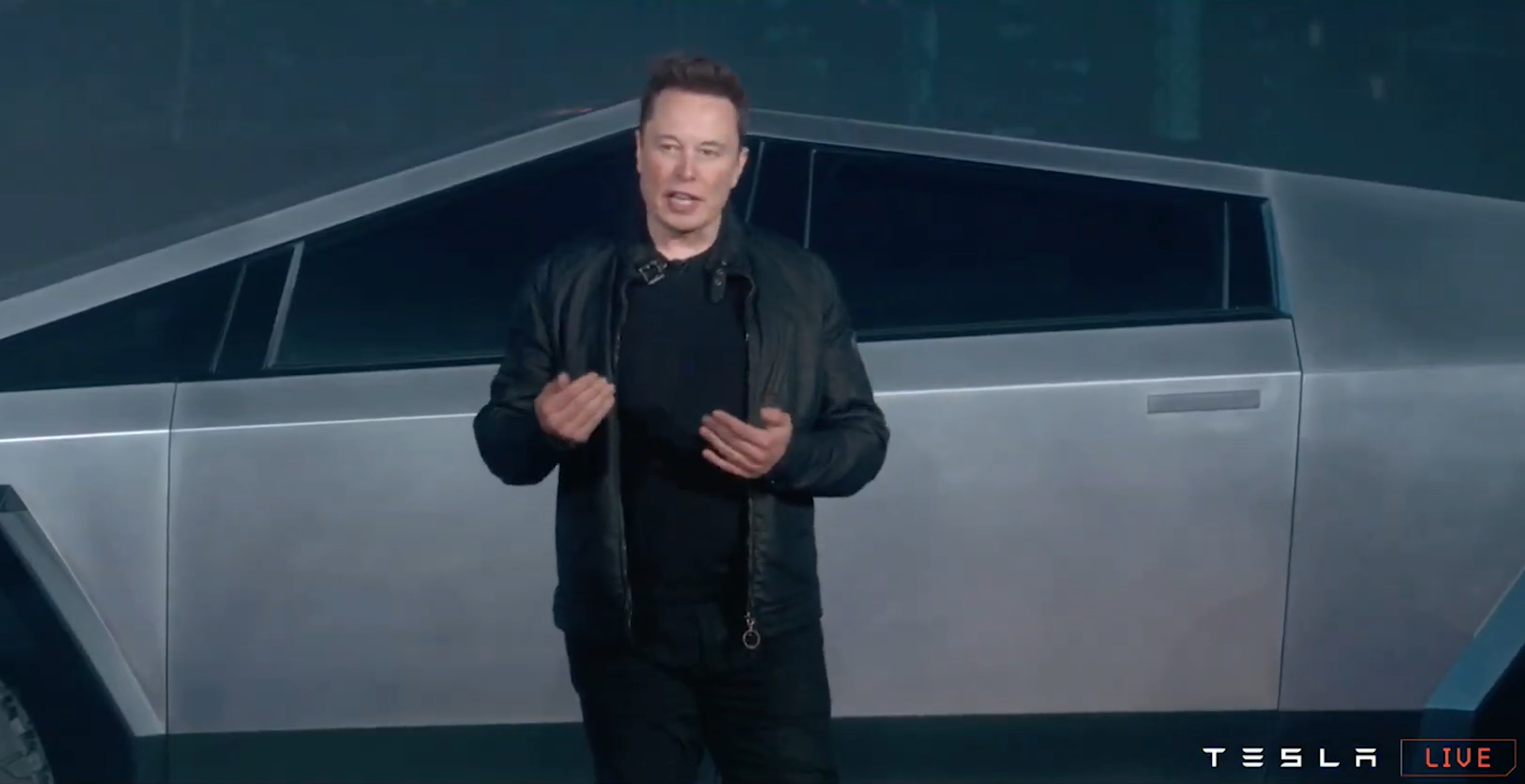
Like the Edsel before it, the Cybertruck asks buyers to embrace styling that’s anything but conventional. It also became substantially more expensive than many expected after its long development cycle, with early production models costing well into six figures despite Tesla initially discussing a much lower starting price during its unveiling. Then there’s another hurdle the Edsel never had to clear.
Whether deserved or not, the Cybertruck has become inseparable from Elon Musk himself. For many buyers, it’s no longer just an electric pickup but a public statement about the man behind the company. That association has almost certainly narrowed its appeal even further, regardless of what owners or reviewers think about the truck itself.
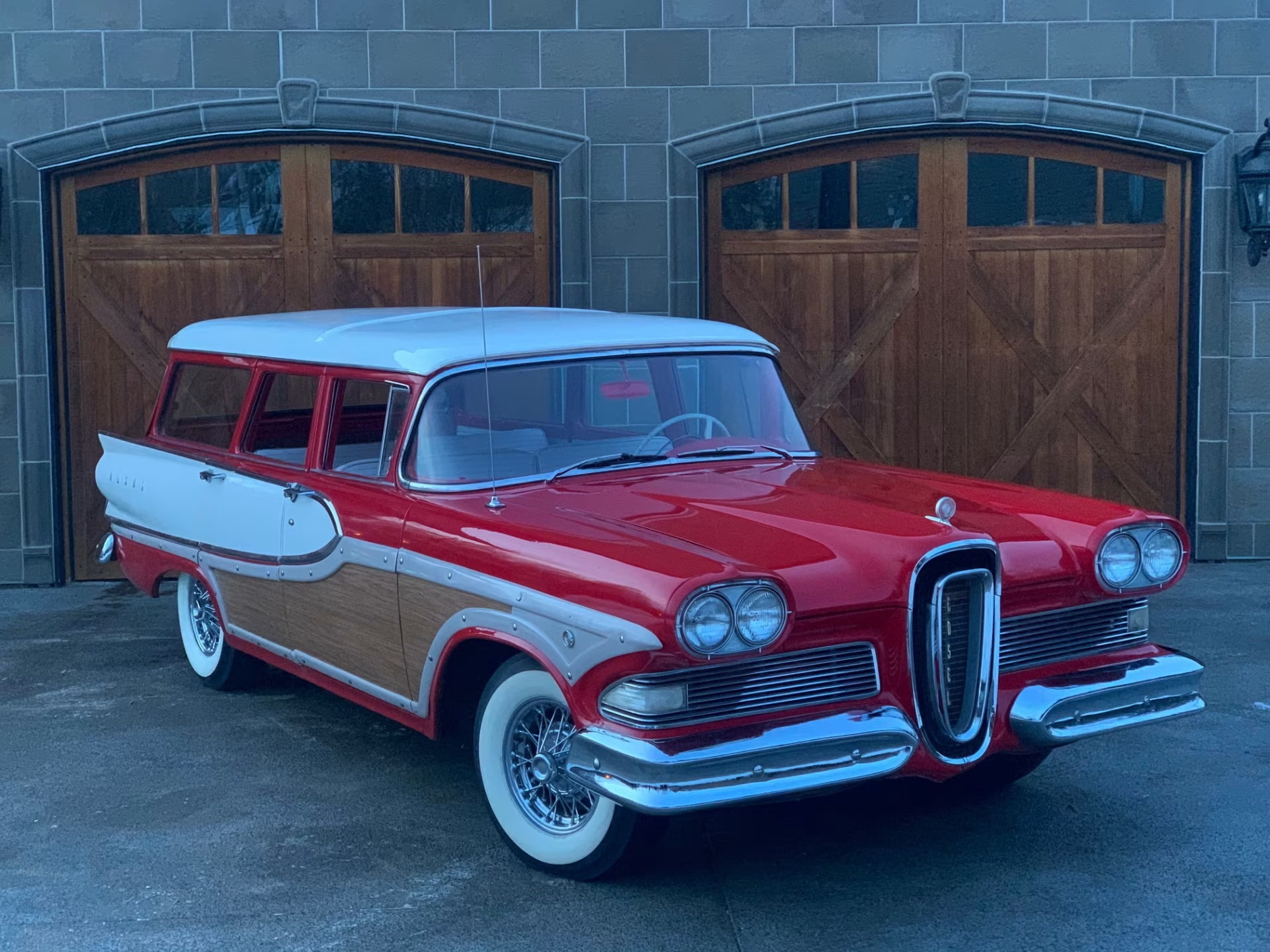
1958 Edsel Bermuda Station Wagon (Photo: Mecum)
History has been kinder to the Edsel than buyers were in 1958. Today it’s appreciated for its ambition as much as its mistakes, proving that commercial failures can still leave a lasting mark on automotive history. The Cybertruck appears primed to follow the same path. It could end up remembered as one of the industry’s biggest sales disappointments while simultaneously influencing the next generation of vehicle engineering. Those two things aren’t mutually exclusive. History suggests they often go hand in hand.