


- Owner says problems began immediately after an OTA software update.
- Dealer reportedly quoted roughly $1,600 for diagnosis and repairs.
- Volkswagen says affected customers should contact Customer Care.
Over-the-air updates made big promises. Cars would keep getting better long after they left the lot, and in plenty of cases that has held true. One Volkswagen owner says his experience ran the other way entirely, with a routine install allegedly leaving his sedan riddled with warning messages and stripped of several key functions. The automaker has not acknowledged any link between the software and the failures, but the sequence of events has left the owner with a long list of questions. Oh, and also a repair estimate approaching $1,600.
According to Cincinnati television station WKRC, Asher Koreman says his 2021 Volkswagen Jetta began prompting him to install a software update last month. Rather than paying a dealer to perform the update, he opted to let the car install it over the air. As soon as he restarted the car, he says warning messages flooded the digital instrument cluster. “I was getting a ton of error messages across my digital dash,” Koreman told WKRC.
The Dealer’s Verdict
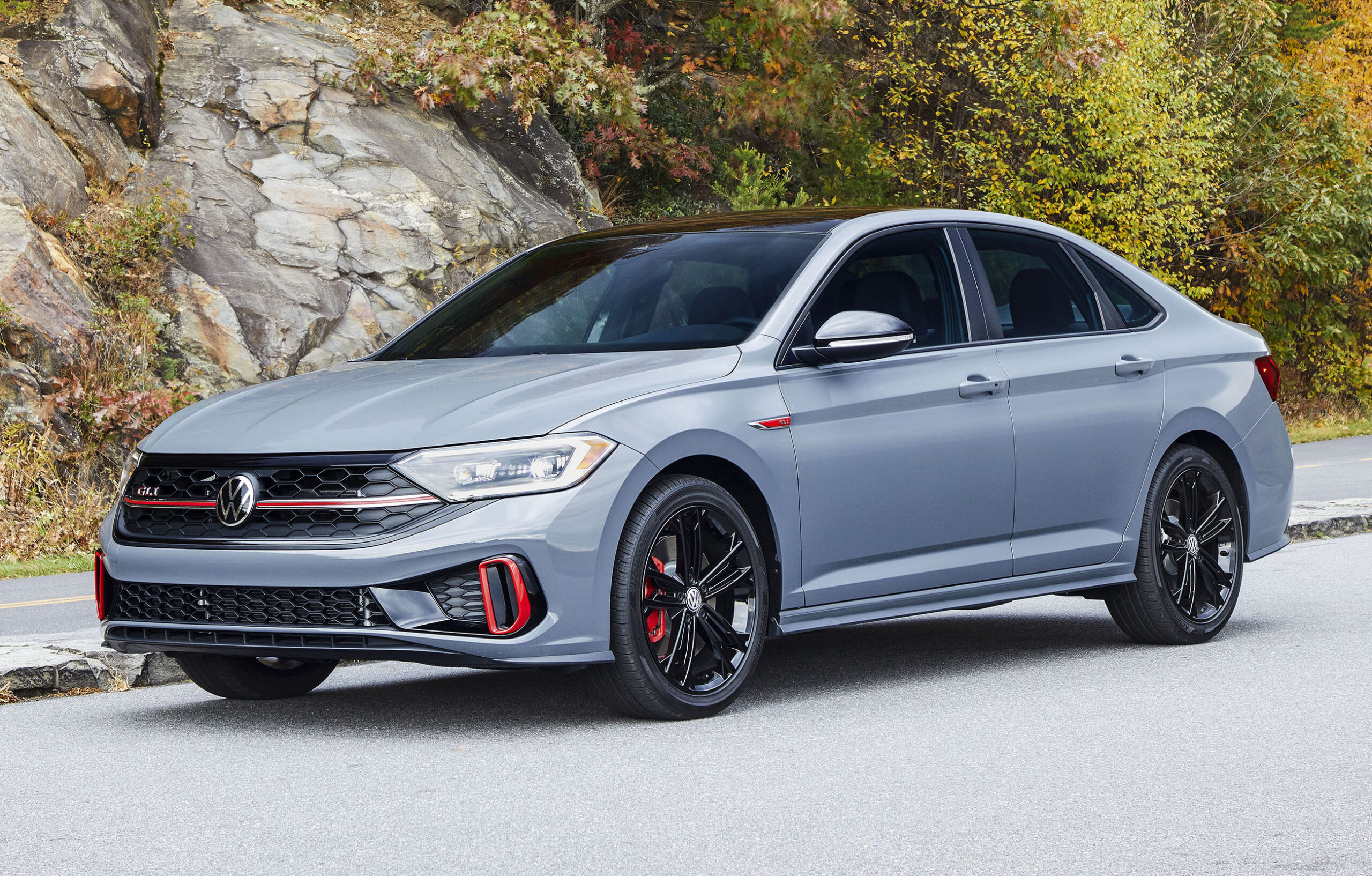
He says the update appeared to knock out several functions, including lane departure warnings, backup alerts, portions of the infotainment system, and even vehicle information such as the oil temperature display. So the failures affected both convenience and safety-related features. In other words, according to him, his car was worse off rather than improved all because he allowed a software update.
Read: VW’s Killing The ID.4 To Bring Back A Familiar Name
Koreman took the Jetta to a local Volkswagen dealership, where he says he was quoted around $200 for diagnostic work and another $1,400 to complete the repair. Koreman says the dealer determined the issue was a pre-existing condition unrelated to the software update, meaning it wasn’t covered because the vehicle’s warranty had expired.
Rather than authorize the work, he brought the car home and performed a hard battery reset himself. He says that restored some functionality, but many of the original problems remain. To his credit, Koreman acknowledges the software update and the failures could simply be a coincidence. Still, he says the timing is difficult to ignore since the issues appeared immediately after the installation completed.
What Volkswagen Says
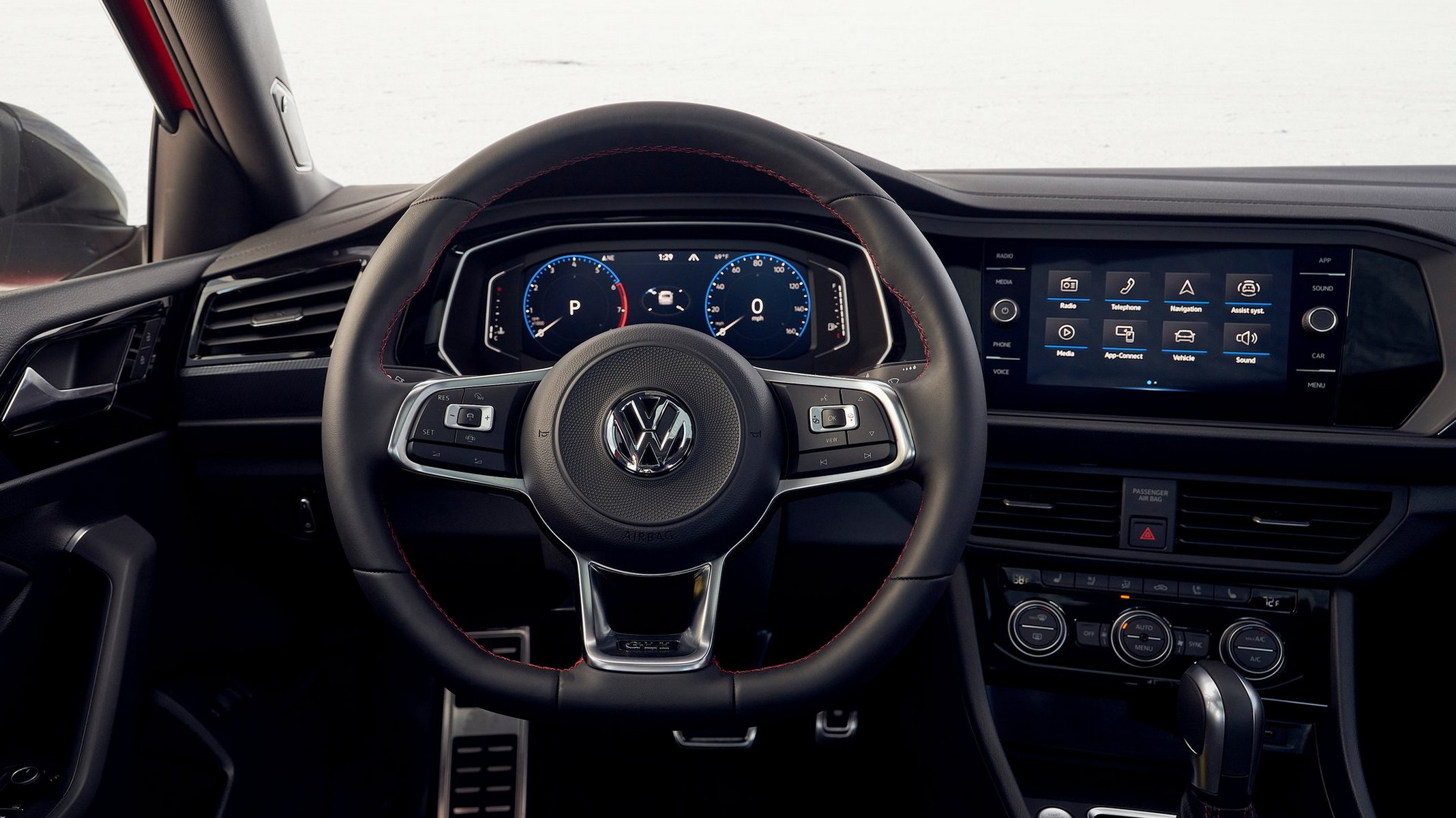
Asked about the case, Volkswagen declined to discuss Koreman’s specific vehicle but issued a general statement:
“At Volkswagen, we are committed to delivering the highest levels of quality and customer satisfaction. While we do not comment on individual cases, we encourage customers with questions or concerns to contact our Customer Care team for dedicated support.”
Whether the software update actually caused the problem or merely exposed an existing fault remains unknown. Regardless, the timing and the lack of hard data to prove no association from VW sure seems odd.