- GAC Aion’s Ray 7 opens a new series on a rear-drive platform.
- Power comes from a single rear motor making a modest 241 hp.
- Robotaxi-grade sensors ride along, but full self-driving does not.
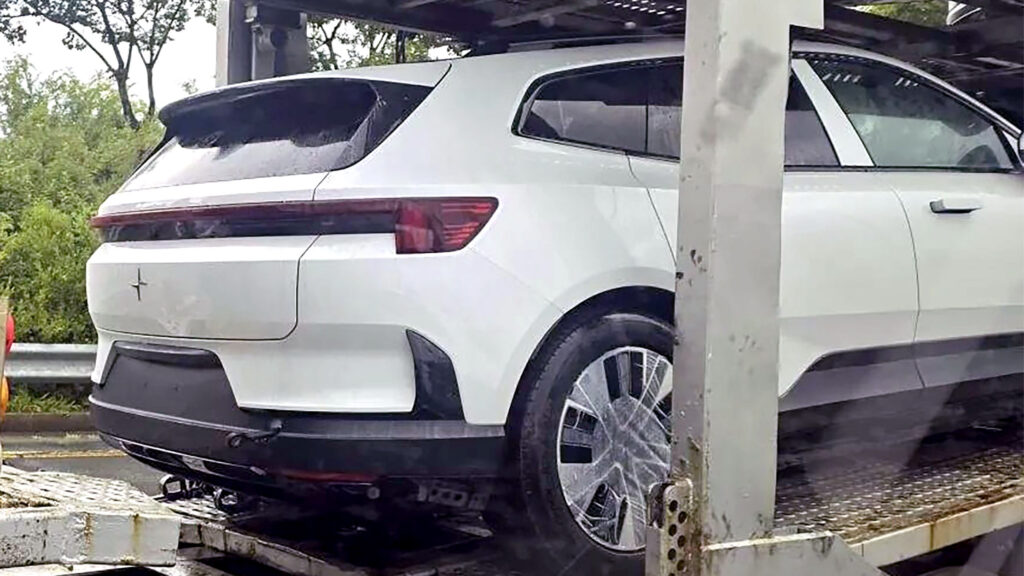
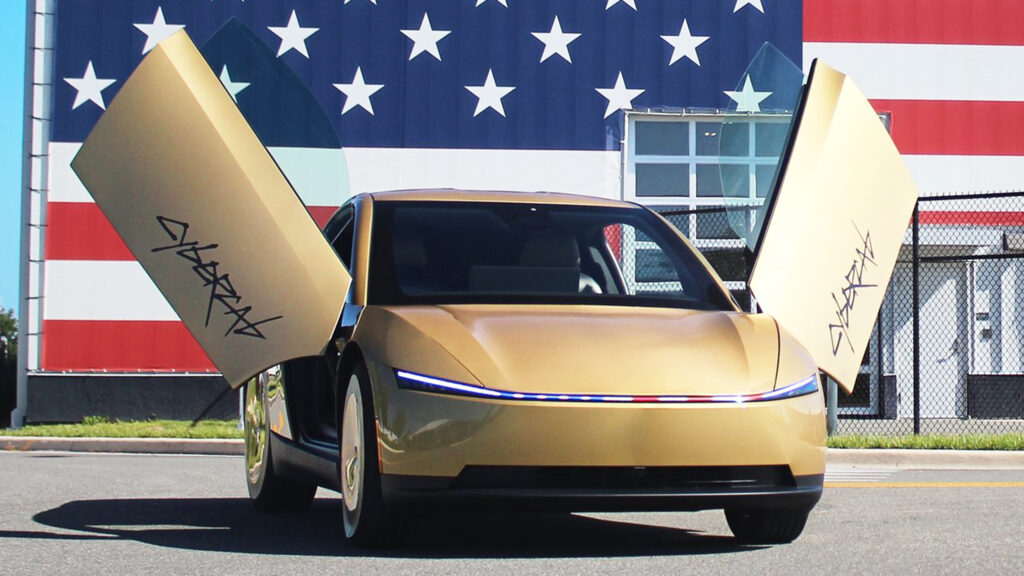
GAC Aion is one of China’s largest and most important electric vehicle brands, and it now has yet another all-new model. Known as the Ray 7, it is a sleek, aerodynamic sedan, but unlike many others, including the Xiaomi SU7, it doesn’t prioritize performance, so it should be even more affordable.
The Ray 7 is the first model in GAC Aion’s new Ray series and is underpinned by a rear-wheel-drive platform. It includes a double-wishbone suspension at the front and a five-link suspension at the rear. It will be available with two battery packs – one sourced from CATL and the other from the carmaker’s own Yinpai Battery division. Specifications for these packs have yet to be announced.
Review: China’s 2026 GAC Aion UT Is A Budget EV That Doesn’t Feel Cheap
Power comes from a single rear motor with 241 hp. Compared to some new EVs emerging from China with well over 1,000 hp, that doesn’t sound like much, but it’s really enough for everyday use. GAC Aion is said to be targeting a driving range of around 435 miles (700 km) on the CLTC cycle. Apparently, the sleek sedan’s energy consumption has been rated as low as 9.7 kWh per 100 km, which, if true, would make it one of the most efficient EVs on the market.



Recent government filings reveal the Ray 7 is 195.2 inches (4,960 mm) long, 74.8 inches (1,900 mm) wide, and stands 57.2 inches (1,455 mm) tall, with a generous 115-inch (2,920 mm) wheelbase. The highlights of the car’s design are the full-width LED light bar at the front and the sleek fastback-style roof and tailgate.
Autonomous driving technologies from WeRide’s Level 4 robotaxis have been adopted, including 27 sensors, such as a Huawei-sourced LiDAR and three 4D millimeter-wave radars. While this setup won’t enable Level 4 driving in the Ray 7, it can still navigate autonomously between addresses and park itself.