- Honda says a stalled trade deal could scrap its eighth plant.
- Executives want a new North American site running by 2030.
- The US and Canada slapped 50 percent tariffs on billions in goods.
If the United States and Canada can’t agree to a trade deal, Honda says it may have to scrap plans to build an eighth assembly plant in North America. This warning comes just days after Canada walked away from trade negotiations with the Trump administration, triggering retaliatory tariffs between the two nations.
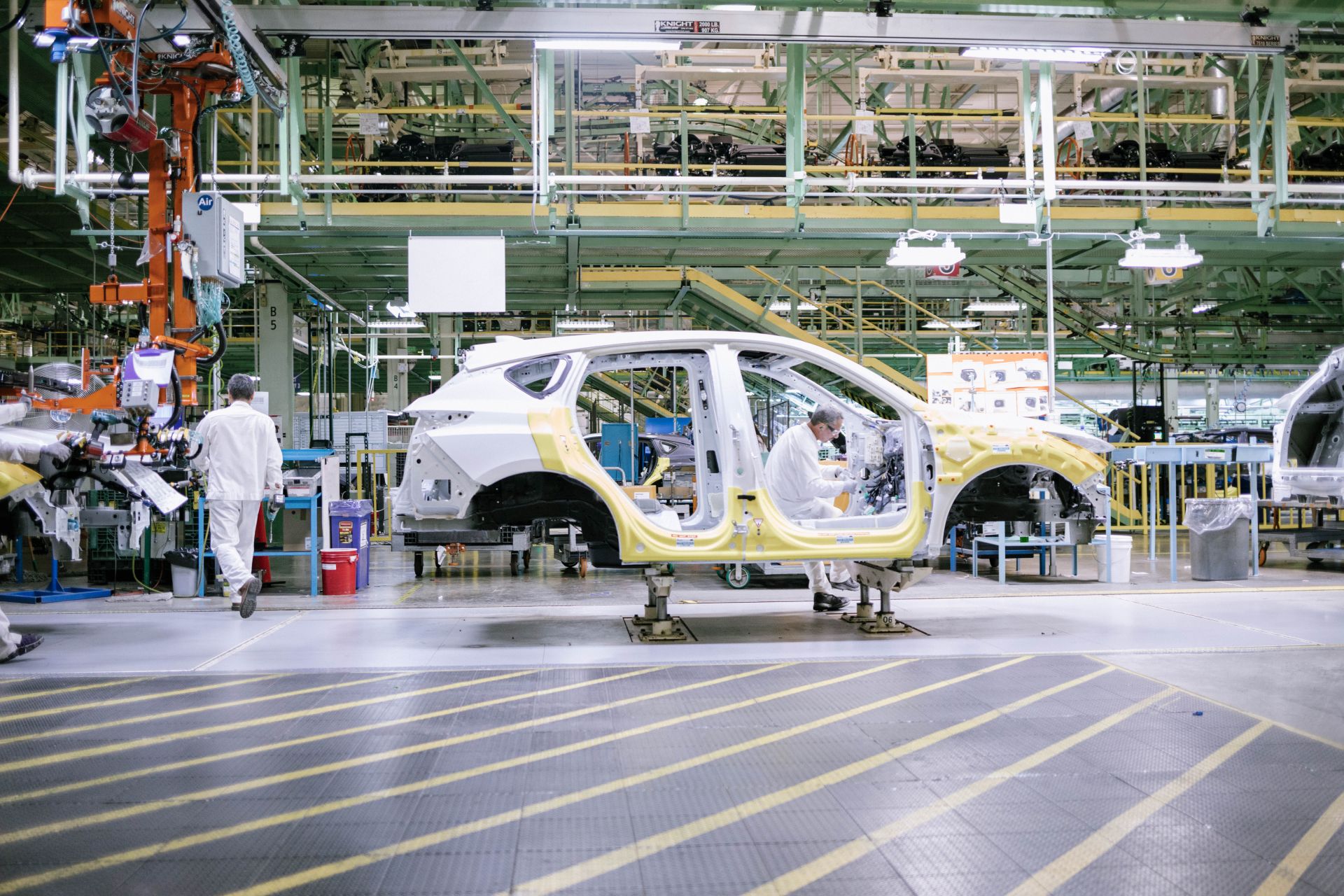
Honda says it is close to reaching full production capacity in North America and needs a new factory. According to Honda executive vice president Noriya Kaihara, “if there is no USMCA agreement in the future, we may have to change our direction.”
Read: Honda Is Running Its North American Factories So Hard It May Need A New One
While speaking with reporters at a recent event in Washington, Kaihara said Honda needs to decide on a new plant within the next year or two and would like a new site to be up and running by 2030.
Following the recent termination of trade talks between the United States and Canada, the Trump administration imposed sweeping 50 percent tariffs on $20 billion worth of Canadian products.
Soon after, Canadian Prime Minister Mark Carney announced dollar-for-dollar tariffs against the US, increasing tariffs on US steel and aluminum products to 50 percent, and applying the same tariff to furniture, clothing, apparel, video game consoles, smartphones, and several other electronics. These tariffs will also affect roughly $20 billion in annual US imports and are set to take effect on September 8.
Not Impacting Buyers…Yet
Kaihara told Reuters that Honda is not currently passing on the costs of tariffs to buyers in North America. However, it is reasonable to assume that the longer these tariffs remain in place, the greater the chance that Honda will be forced to hike prices.
It’s unlikely that Honda’s threat to cancel plans for another North American manufacturing site will alone force US and Canadian leaders to resolve the trade dispute quickly. However, if other major companies, including other car manufacturers, threaten to pull investments, government officials may have to return to the negotiating table.