











CONS ›› CVT Droning, Fuel Economy, Less Charming
There was a time when the Subaru Outback was easy to describe. It was a lifted wagon in the Audi Allroad mold, all the go-anywhere silhouette without the maintenance headaches that make Audi ownership a leap of faith once the warranty runs out. It offered full-time AWD, plenty of cargo space, and driving dynamics that crossover owners didn’t realize they were missing. Today, though, that description fits it about as well as calling it a sports car.
The latest Outback has grown in nearly every direction. It’s taller, broader, and far more SUV-like than any Outback before it. Those changes bring on an obvious quandary. Has Subaru lost sight of what made this model special in the first place?
Quick Facts
That’s clearly the case with cars like the WRX and Impreza. Or perhaps, has Subaru simply evolved the Outback formula into what buyers demand in 2026?
To find out, we tested both the naturally aspirated Limited trim and the turbocharged Wilderness model. After a week with each, we think we’ve come up with the answer. While it’s bound to frustrate some, it’ll also speak to Subaru’s target demographic more than ever before.
The Wagon Styling Is (Mostly) Gone



Photos Stephen Rivers / Carscoops
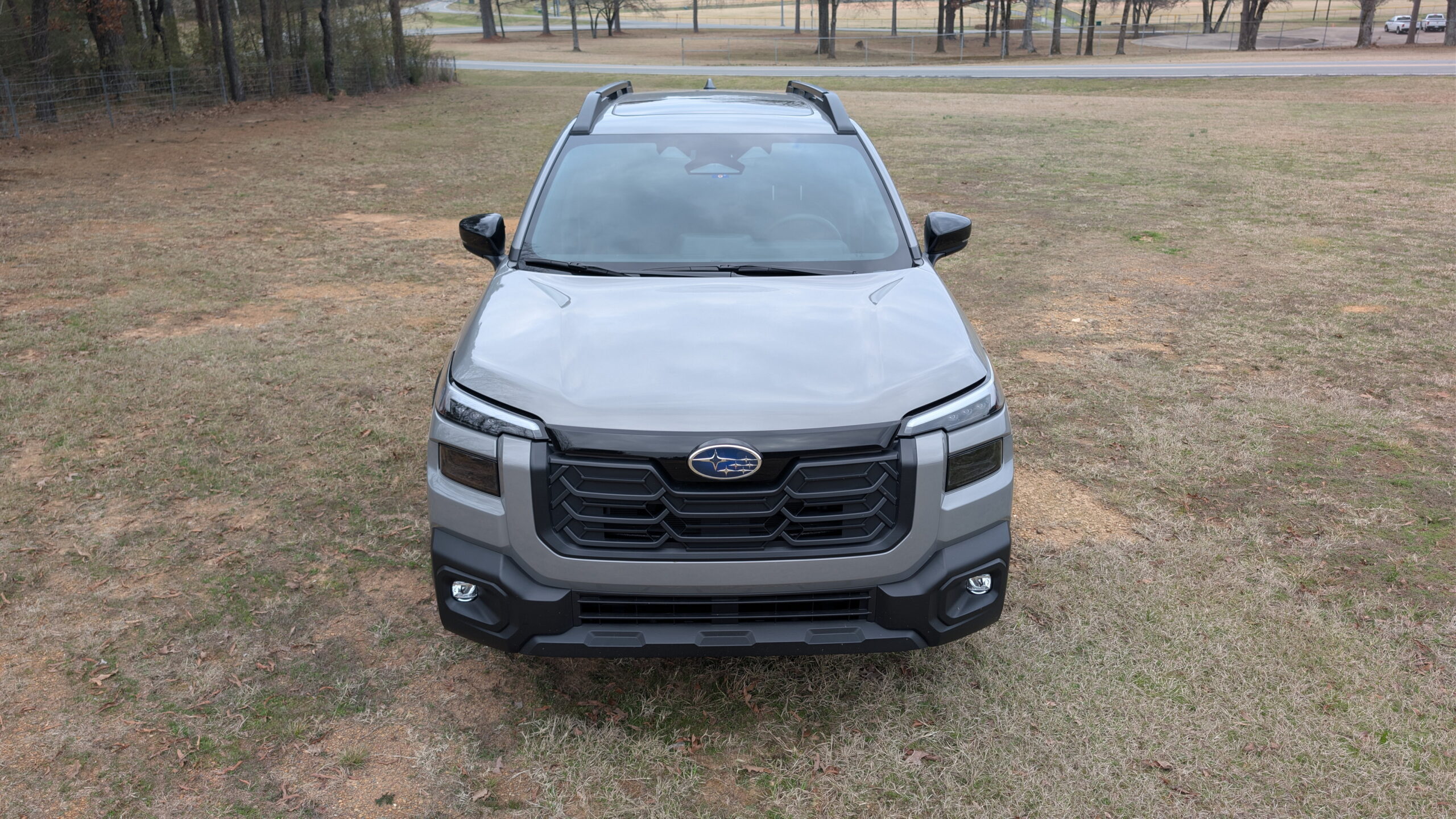
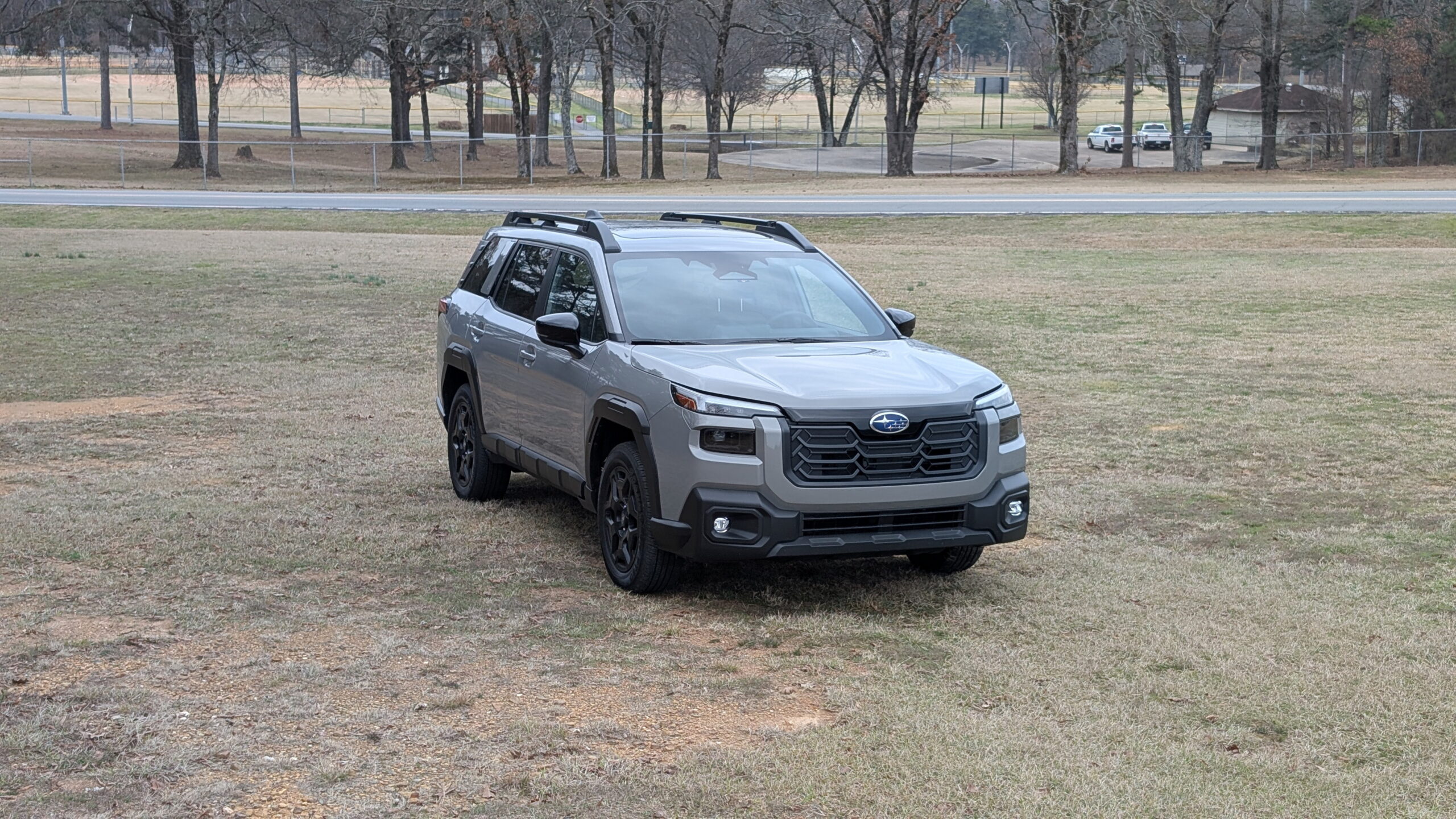
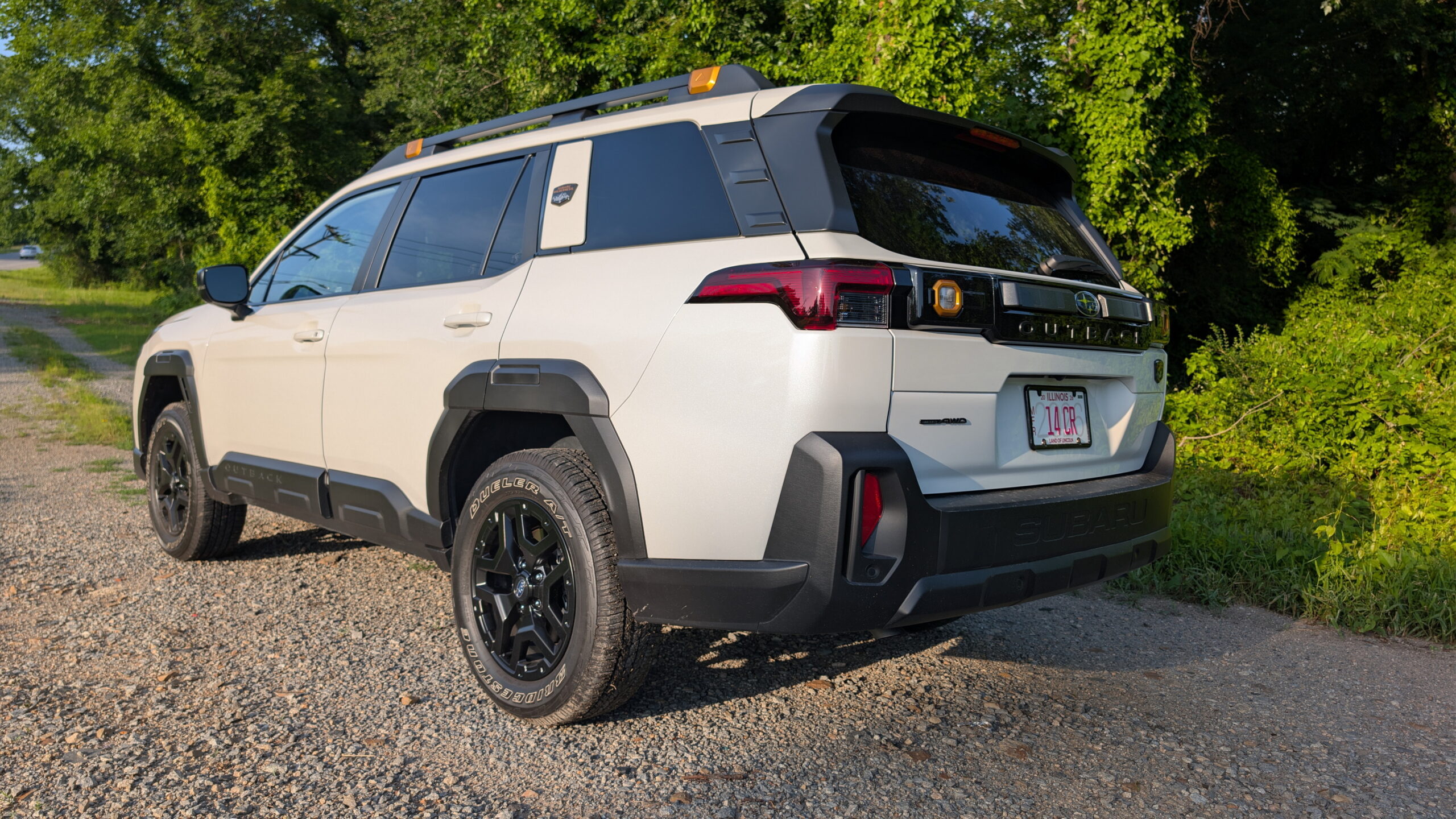
There’s no getting around the elephant in the room. The new Outback is pretty large. Calling it a wagon is more nostalgic than it is accurate. Park it next to an older generation and the transformation is obvious. It’s become a genuine midsize SUV that just happens to retain a slightly longer roofline than most of its competitors. Personally, I’m still adjusting to the styling.
The Limited strikes me as the better-looking of the two. It feels clean, mature, and understated without trying too hard to advertise its adventurous side. It looks expensive without pretending to be something it isn’t. The Wilderness, meanwhile, swings hard in the opposite direction.
Between the thick plastic cladding, copper-colored accents, aggressive bumpers, and chunkier tires, Subaru clearly wanted everyone to know this is the off-road version. For my taste, they may have gone a bit too far. Rather than looking naturally rugged, it comes across as trying a little too hard to prove the point. The extra ride height is welcome for off-road shenanigans, but visually, all the added cladding makes the Wilderness look busier than necessary. Then again, Subaru probably isn’t worried about my opinion.
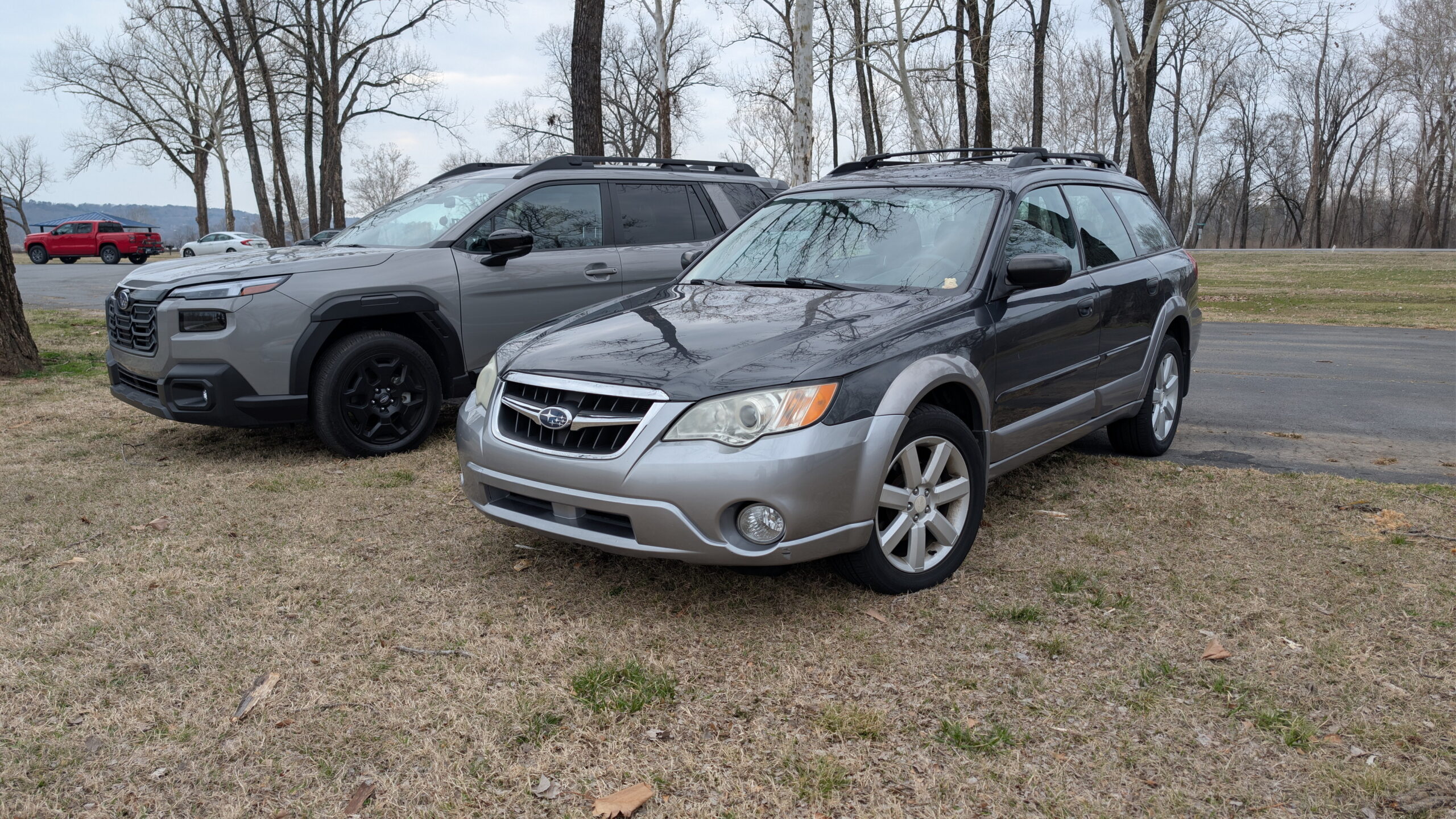
The Outback continues to be one of the company’s most important vehicles and remains a consistent sales powerhouse. Clearly, buyers like what Subaru is doing. Maybe this design, like so many polarizing Subarus before it, is simply one that will look more normal after we’ve all spent a few years seeing them on the road.
Whether you like the styling or not, there’s no denying the Outback has fully embraced its identity as an SUV. The wagon that enthusiasts remember is gone, replaced by something aimed squarely at modern buyers who want practicality, comfort, and a commanding driving position.
A Cabin That Punches Up
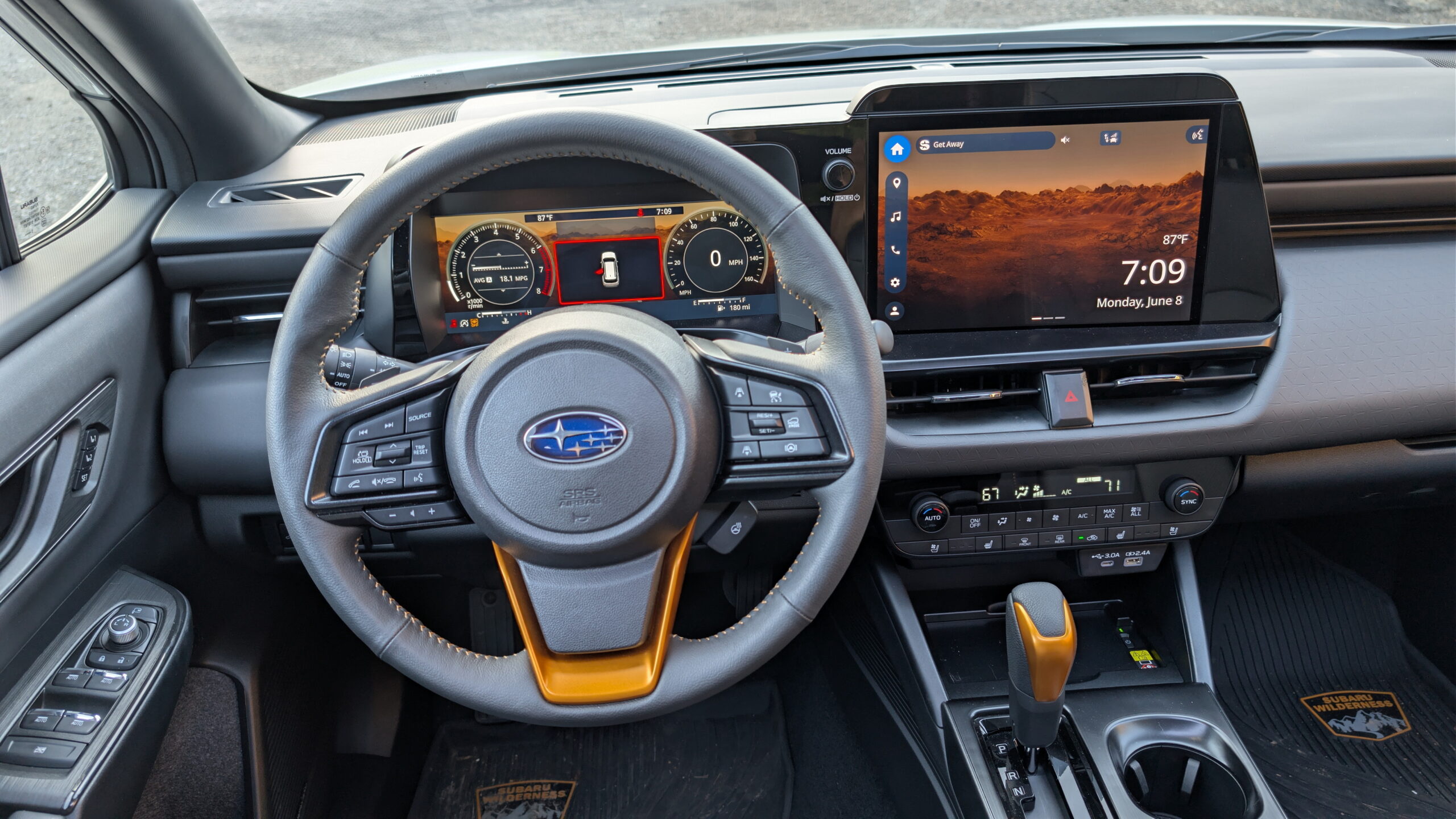
If the exterior left me somewhat conflicted, the cabin quickly won me over. The Outback’s interior is simply a pleasant place to spend time. I wouldn’t call it luxurious, but I also wouldn’t hesitate to describe it as genuinely high-quality. Materials feel solid throughout, switchgear has a satisfying heft, and nothing (aside from a few plastic panels) feels cheap. Even the Limited, priced at roughly $43,000, feels like you’re getting a lot of vehicle for the money.
The Wilderness I tested stickered at $50,535, which sounds expensive until you realize that’s right around the average transaction price for a new vehicle today. Put another way, you can buy the nicest Outback Subaru offers for what many Americans are already spending on a new vehicle.
That Wilderness trim includes the turbocharged engine, a new 12.3-inch digital instrument cluster, a 12.1-inch infotainment display, dual-zone automatic climate control, and available features like Nappa leather upholstery with copper stitching, ventilated front seats, a surround-view camera system, navigation, a power moonroof, and upgraded power-adjustable seating. Space is another undeniable strength.


Photos Stephen Rivers / Carscoops
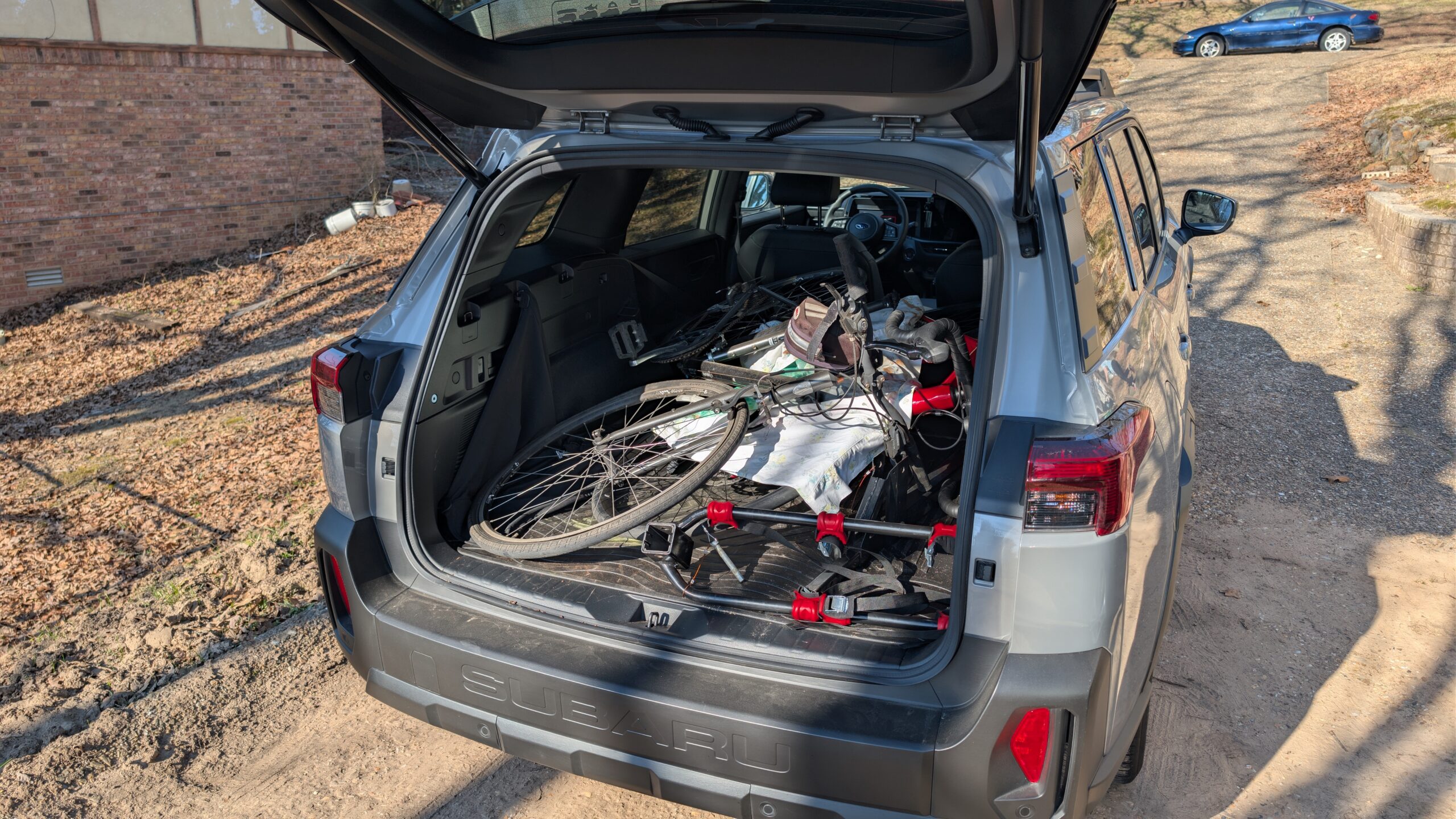
At 6’6’’, I fit comfortably in both the front and rear seats. Rear passengers have plenty of legroom, headroom remains generous, and cargo space continues to be among the Outback’s biggest selling points. During one trip I fit two full-size bicycles back there without issue. The new infotainment system is also a significant improvement. It’s responsive, intuitive, and finally feels modern enough to compete with rivals. That said, I still don’t understand why the display is surrounded by such an enormous bezel.
I’m sure Subaru has perfectly good engineering reasons. Driver monitoring sensors and EyeSight hardware likely account for some of the extra space. But visually, the thick black border makes an otherwise modern screen look older and cheaper than it actually is. My other ergonomic complaint is the placement of the physical volume knob.
The driver already has steering wheel-mounted audio controls, so placing the knob in the upper-left corner of the screen feels backwards. Moving it toward the passenger side would make much more sense, allowing passengers to adjust volume without reaching awkwardly across the dashboard. They’re small complaints in an otherwise thoughtfully designed cabin.
How It Drives
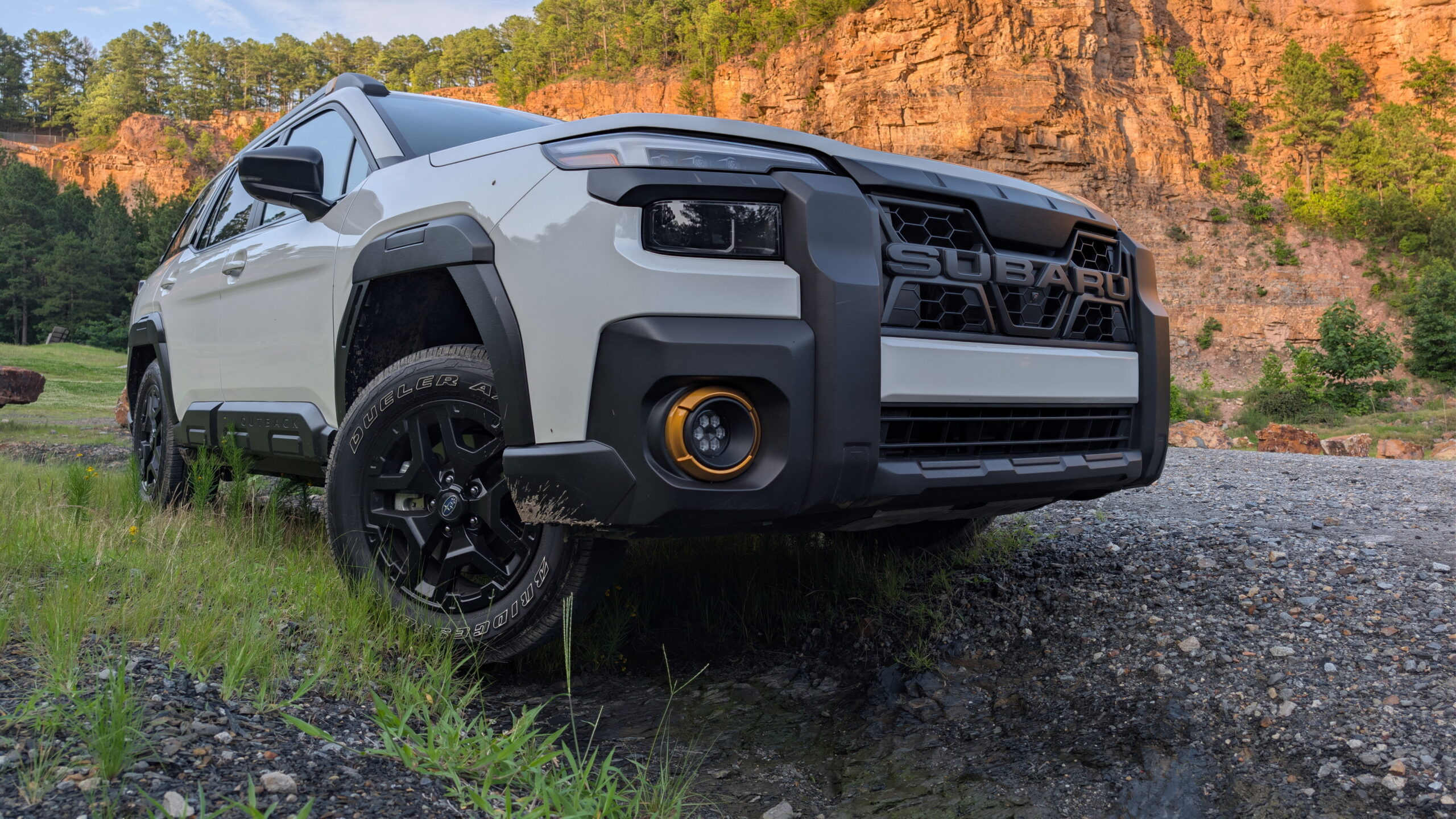
Mechanically, I experienced both personalities of the Outback. The Limited uses Subaru’s naturally aspirated 2.5-liter flat-four producing 180 hp (134 kW) and 178 lb-ft (241 Nm), while the Wilderness upgrades to the turbocharged 2.4-liter boxer making 260 hp (194 kW) and 277 lb-ft (376 Nm). The difference is noticeable.
Interestingly, the naturally aspirated engine actually feels a little snappier pulling away from a stop. Initial throttle response is immediate, making the car feel eager in city driving. Once speeds increase, however, the turbocharged engine completely changes the experience.
Passing requires less planning, highway merging becomes effortless, and the Outback finally feels appropriately powered for its size. If your budget allows, I’d absolutely recommend stepping up to the turbocharged engine. Unfortunately, both powertrains share the same weakness. The continuously variable transmission.
Subaru has refined its programming over the years, adding simulated gear changes and making the CVT feel more natural than earlier versions. But it’s still a CVT. Under hard acceleration, it dulls the personality of both engines and never quite delivers the direct, satisfying connection that a conventional automatic would provide.
Of course, it’s also worth asking whether that really matters. Nobody is buying an Outback because they’re chasing canyon roads on Sunday mornings. People buy these because they’re practical, dependable, comfortable, and capable of handling nearly anything everyday life throws at them. Viewed through that lens, the transmission becomes easier to forgive.
Ride quality is exactly what you’d hope for. It’s comfortable without becoming floaty, composed without pretending to be sporty, and predictable in virtually every situation. Body roll is well controlled, braking remains linear and confidence-inspiring, and acceleration squat or nose dive under braking never became particularly noticeable.
Steering is similarly competent. There’s enough weight to inspire confidence, but not enough feedback to make enthusiasts smile. It’s accurate without being memorable. The same goes for the brakes. They’re easy to modulate, progressive, and simply do their job without drawing attention to themselves.


Photos Stephen Rivers / Carscoops
Wind noise is impressively well managed, making long highway drives relaxing, and overall refinement exceeds what I expected from a vehicle positioned below the luxury segment. The Wilderness adds a bit more ground clearance and genuine capability thanks to Subaru’s symmetrical all-wheel-drive system and X-MODE terrain management. No, it isn’t a rock crawler. Nor is it pretending to be.
But for gravel roads, muddy trails, snow-covered highways, and the occasional campsite, it’s probably more capable than most owners will ever ask it to be. Subaru’s all-wheel-drive system continues to be one of the company’s defining strengths, and it remains a legitimate advantage over many crossover competitors.
Efficiency And The Nanny
EyeSight deserves mention as well. Subaru’s latest driver assistance suite works well overall, with adaptive cruise control, lane centering, and collision mitigation all performing exactly as expected. The system is also incredibly watchful.
Driving the Outback sometimes feels like riding around with a very alert and very strict grandmother. It’ll remind you when your attention wanders, when you’ve drifted slightly within your lane, or when it thinks you’re doing something questionable. Some drivers may find that level of oversight excessive. Parents buying one for a teenage driver, however, may see it as one of the vehicle’s biggest strengths.
Fuel economy varied dramatically between the two models I tested. The naturally aspirated Limited averaged an impressive 28 mpg during my time behind the wheel, while the more powerful Wilderness managed 18.1 mpg. That’s a significant difference and something buyers should absolutely consider before automatically choosing the turbocharged engine.
Who Else Wants Your Money
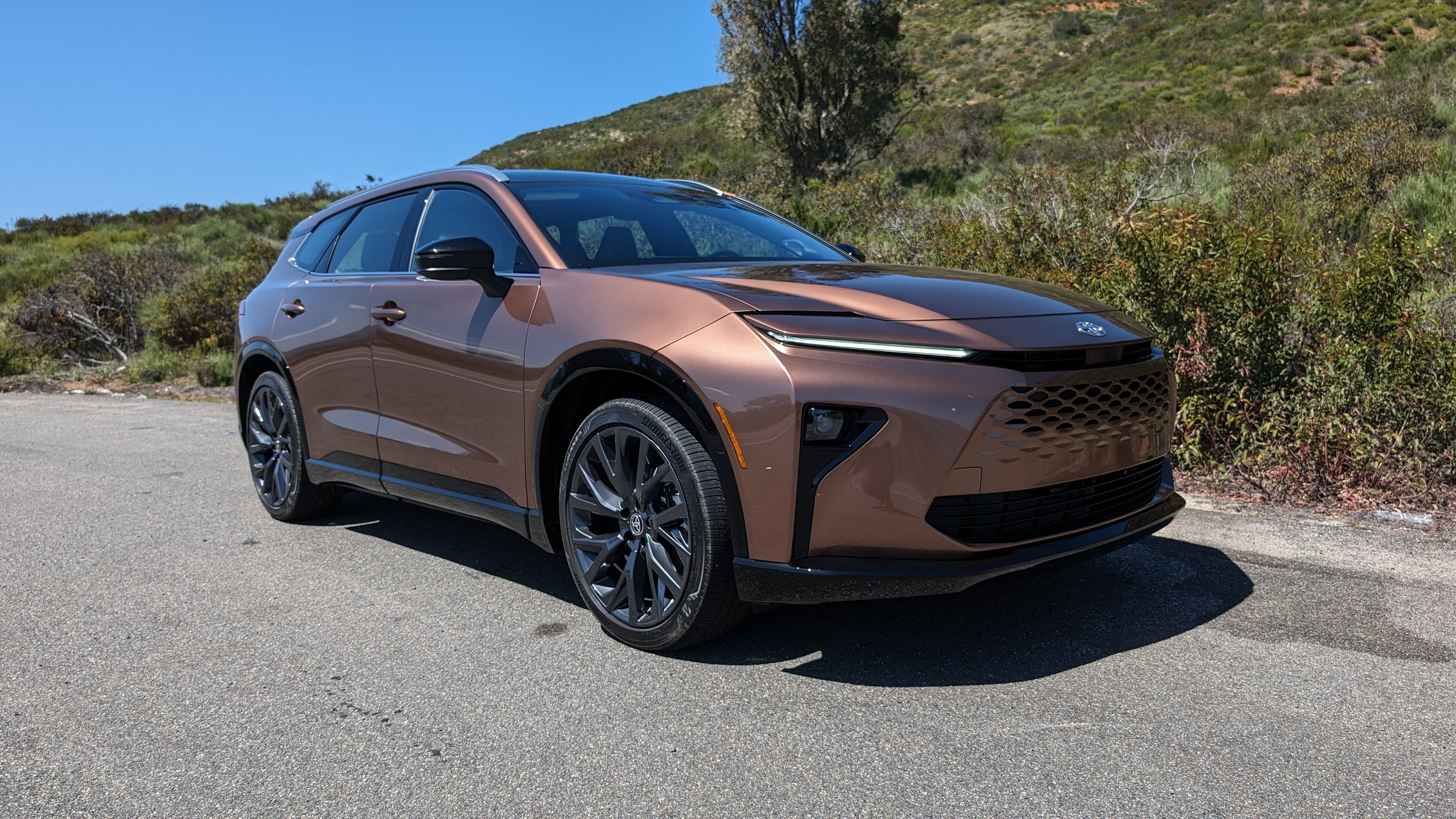
The Outback occupies a somewhat unusual corner of the market. The Toyota Crown Signia offers a more premium-feeling cabin and an upscale driving experience, but it can’t quite match Subaru’s proven all-wheel-drive confidence when conditions deteriorate. That said, it also offers better MPG, and its AWD system is still quite good. For the money, it’s the winner in this segment.
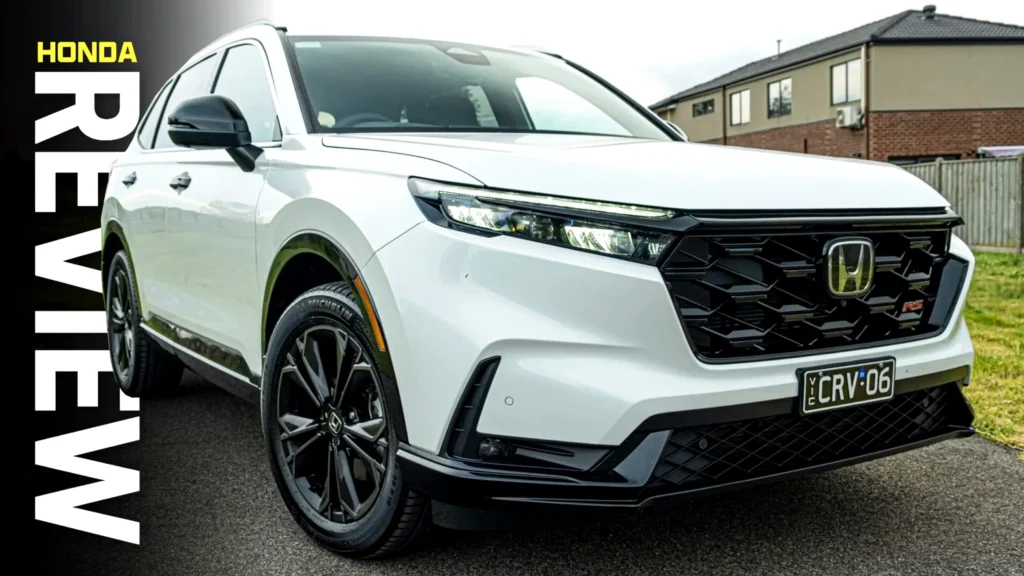
Honda’s Passport is the better choice for buyers seeking genuine off-road capability, although it’s also noticeably larger and feels more like a traditional SUV. Hyundai’s Santa Fe may be the value leader thanks to its generous technology, spacious interior, and competitive pricing, while the Kia Sorento delivers similar strengths in a slightly different package.
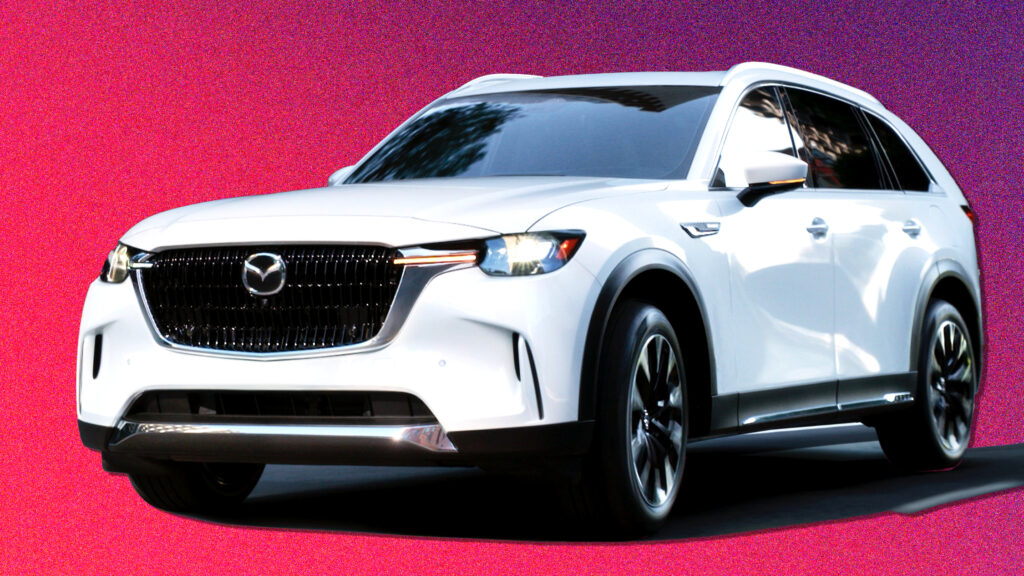
Then there’s the Mazda CX-50. If driving enjoyment ranks high on your priority list, particularly with Mazda’s turbocharged engine, it’s probably the enthusiast’s choice in this segment. It handles better, feels more engaging from behind the wheel, and offers impressive capability in its own right. The Subaru counters with a roomier cabin, one of the industry’s best all-wheel-drive systems, and a level of everyday practicality that’s difficult to ignore.
Verdict
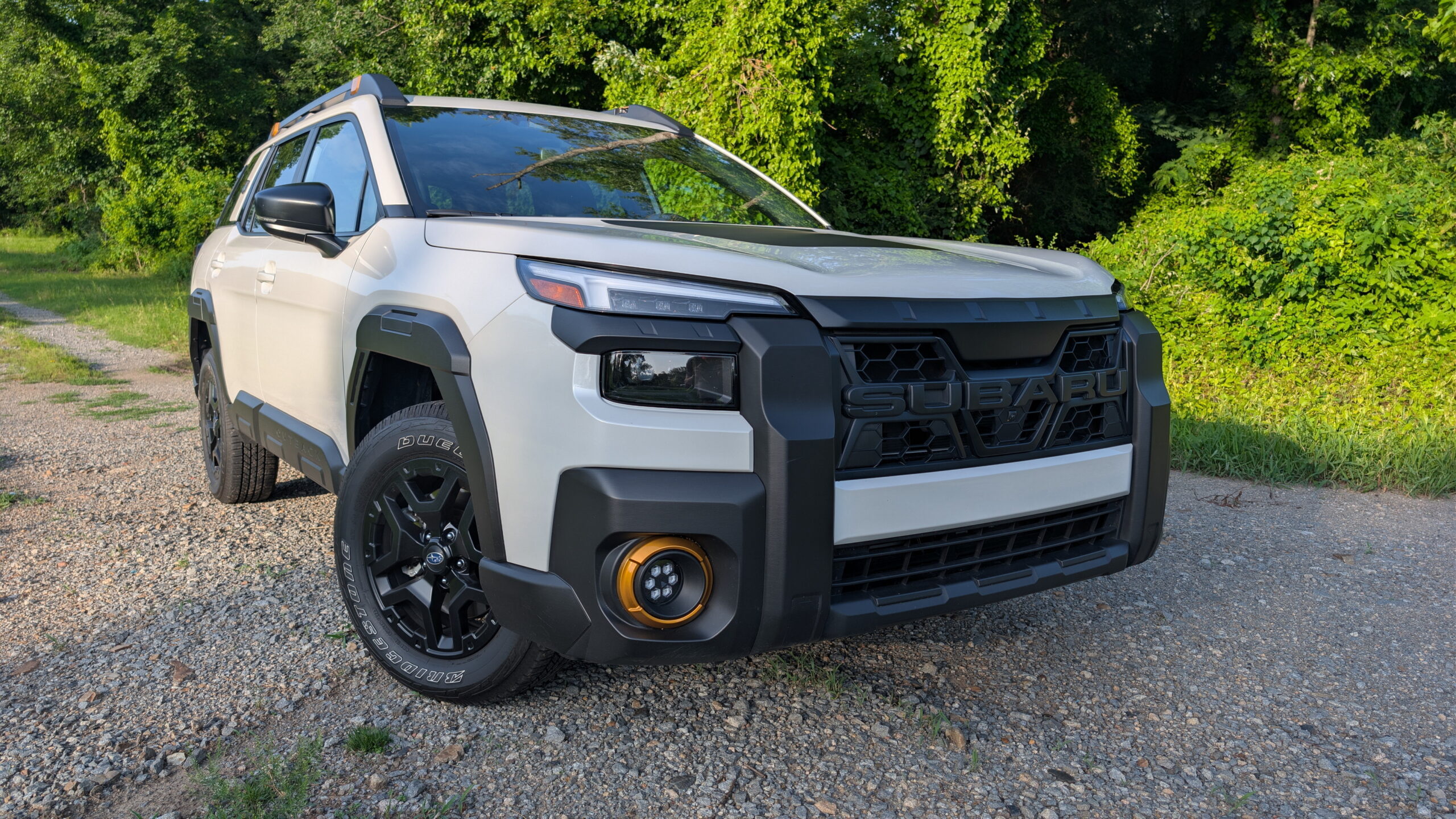
The new Outback probably isn’t the vehicle enthusiasts wanted. It’s bigger than ever, more SUV than wagon, and still saddled with a CVT that limits whatever fun its capable chassis might otherwise provide. If your fondest memories involve older Outbacks that felt lighter, simpler, and just a little quirky, this latest generation may leave you feeling nostalgic. But that’s also missing the point.
Subaru didn’t build this Outback for enthusiasts. It built it for families, commuters, dog owners, weekend adventurers, and people who simply want one vehicle capable of handling nearly every situation life throws at it. Judged on those terms, the Outback succeeds brilliantly.
The interior feels genuinely upscale, passenger space is excellent, cargo capacity remains a major selling point, Subaru’s all-wheel-drive system continues to inspire confidence, and the turbocharged engine transforms the driving experience enough that it’s well worth considering if your budget stretches that far.
I’d still choose the Limited over the Wilderness for its cleaner styling, and I’d happily trade the CVT for a conventional automatic if Subaru ever decided to make that change. Even so, I have very little doubt about this vehicle’s future.
The Outback may have abandoned its wagon roots, but in becoming a proper SUV, Subaru has almost certainly made it a better fit for today’s market. Longtime fans may miss what it used to be, but I suspect buyers will continue voting with their wallets.