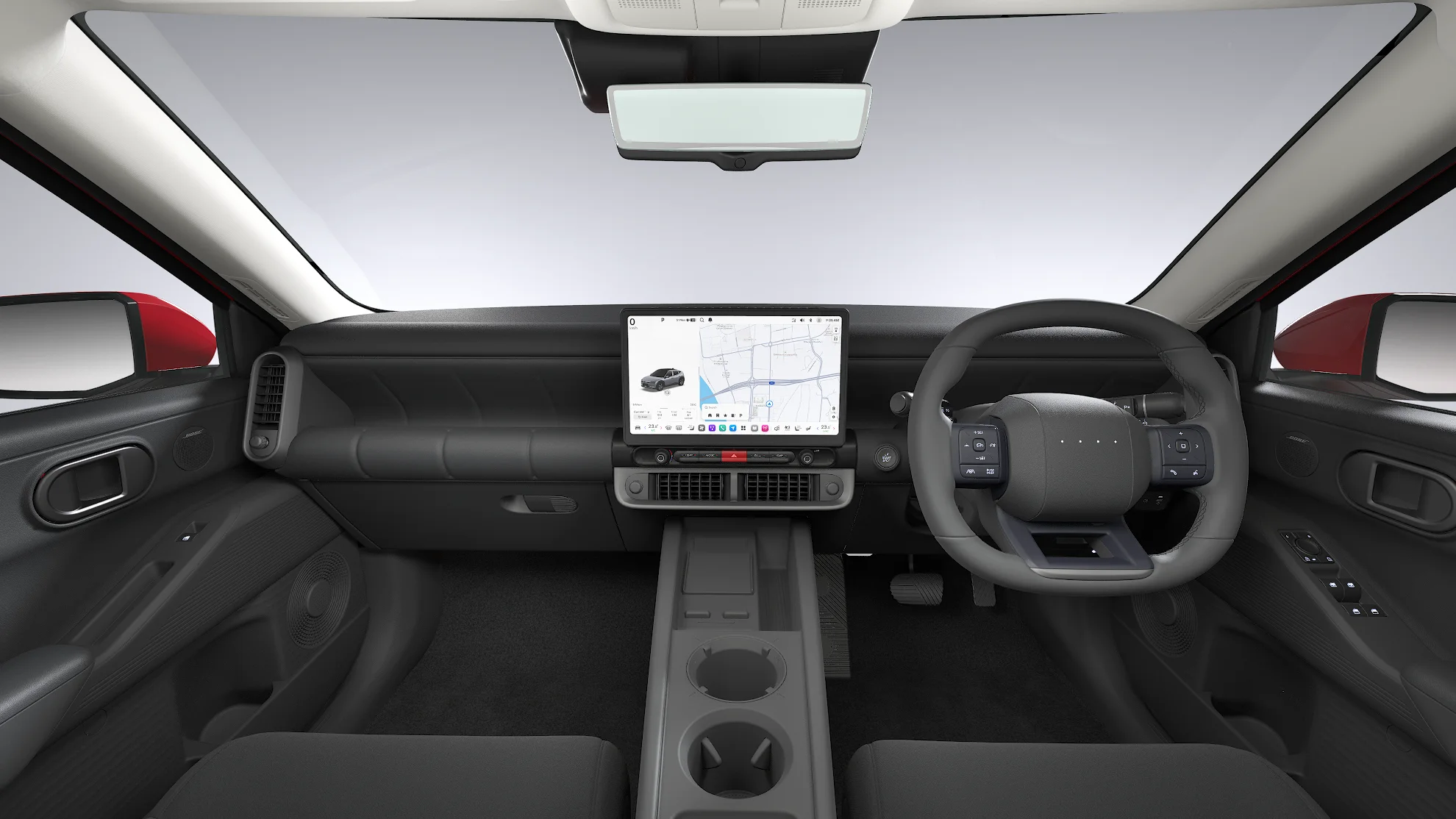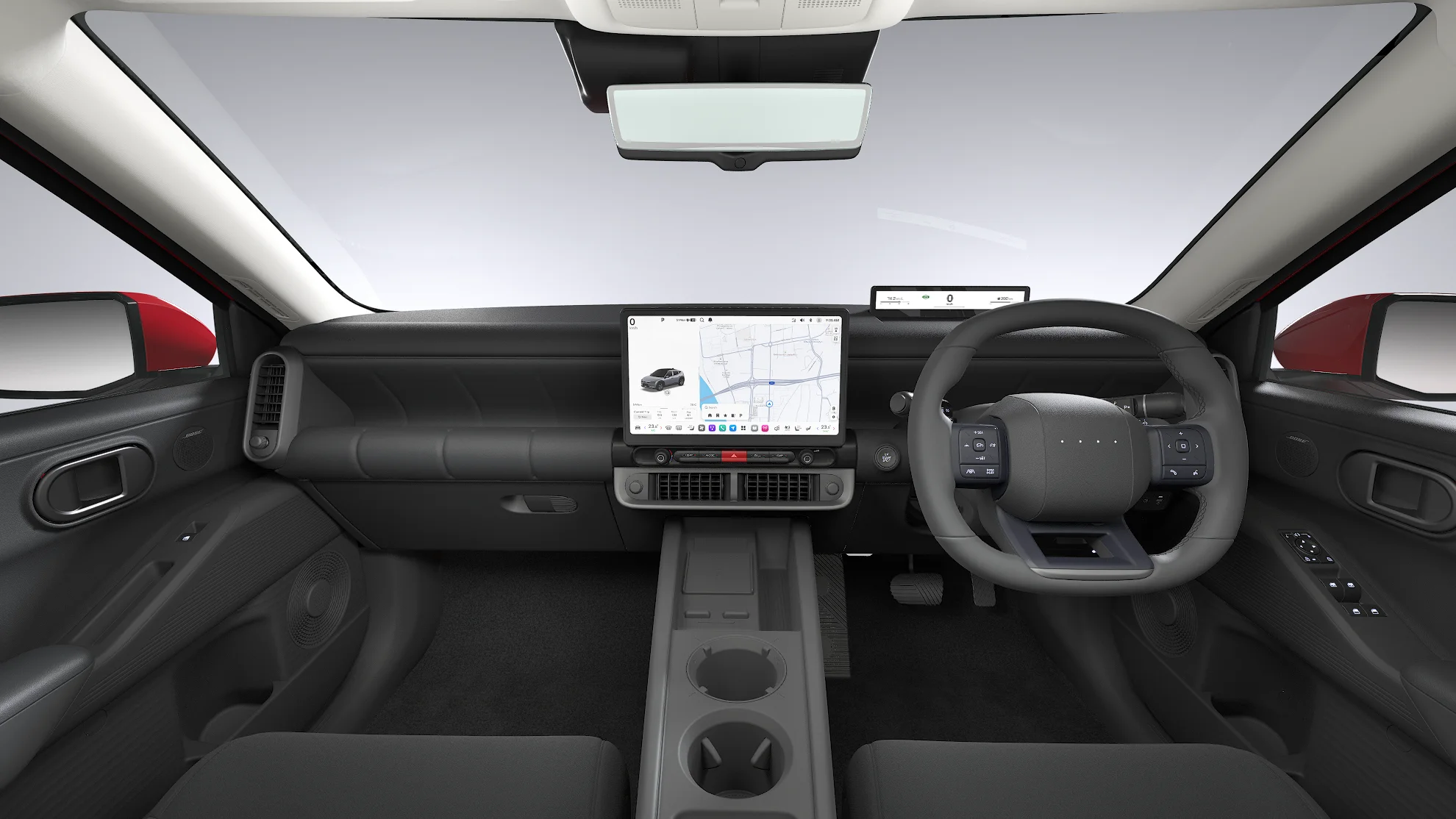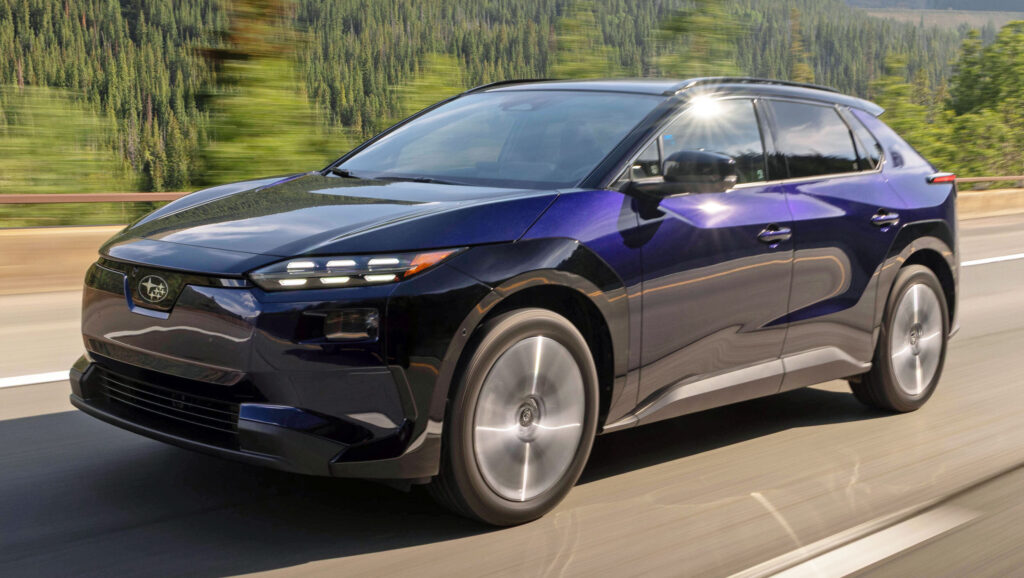
- The entry-level Hyundai Ioniq 3 isn’t available with a 9.9-inch digital display.
- Korea’s Avante / Elantra can be optioned with the small screen for $255.
- Hyundai is following the trend that Tesla started a decade ago with the Model 3.
Hyundai has an all-new generation of interiors, introduced first on the Grandeur in Korea and since carried over to the Ioniq 3, Avante/Elantra, and Tucson. Every one of them is built around Pleos Connect, a large central infotainment screen that borrows its layout and its logic from Tesla, and there is no shortage of processing power behind the glass. On the cheaper trims, though, one piece of hardware got left off the list.
It has now emerged that the new 2027 Avante/Elantra, which just launched in Korea, and the global-market Ioniq 3 go without a digital instrument cluster in front of the driver in base trims, an item which has been standard-fit on most of Hyundai’s current-generation cars.
A Cluster You Have To Pay For
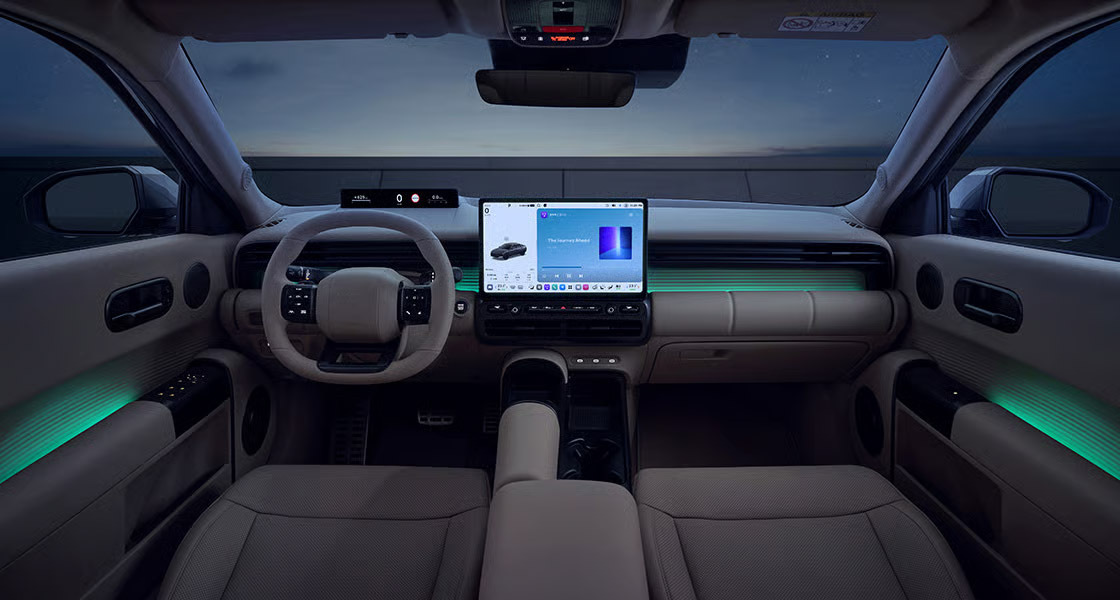
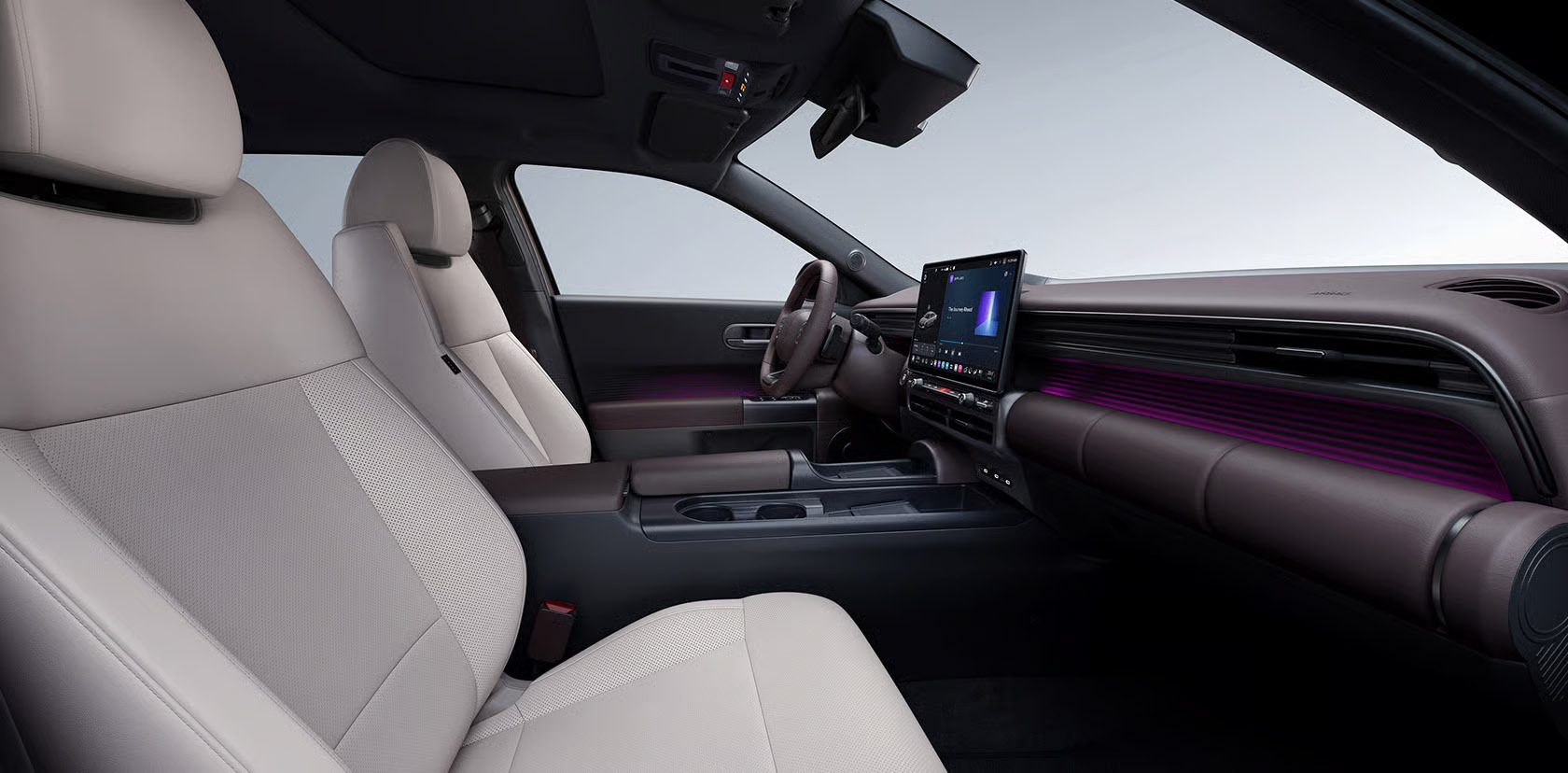
According to Motor1, Korean buyers can add a slim 9.9-inch cluster to the Avante, though it costs 350,000 won (US$255). No such option box appears to exist for base Ioniq 3 models, leaving owners to read everything off the central touchscreen. The Ioniq 3 also goes without a head-up display, exactly like a Tesla Model 3 or Model Y. In the UK, the entry-level £22,245 (about $30,000) Ioniq 3 Advanced arrives without the cluster, while the £25,595 (roughly $34,500) Premium trim and above include it.
Read: Hyundai’s Radical New Tucson Makes The RAV4 Look Half-Asleep
It’s hardly a secret that screens are the cheaper option for manufacturers. A panel of glass and the software behind it costs less than the gauges, bezels, wiring, and physical switchgear it replaces, which explains why the industry has moved this way with so little resistance. Cost is not the whole story, though. Buyers have been asking for this kind of interface, the tablet-style layout with app menus and over-the-air updates, and Hyundai’s new setup answers that request.
Hyundai Should Know Better
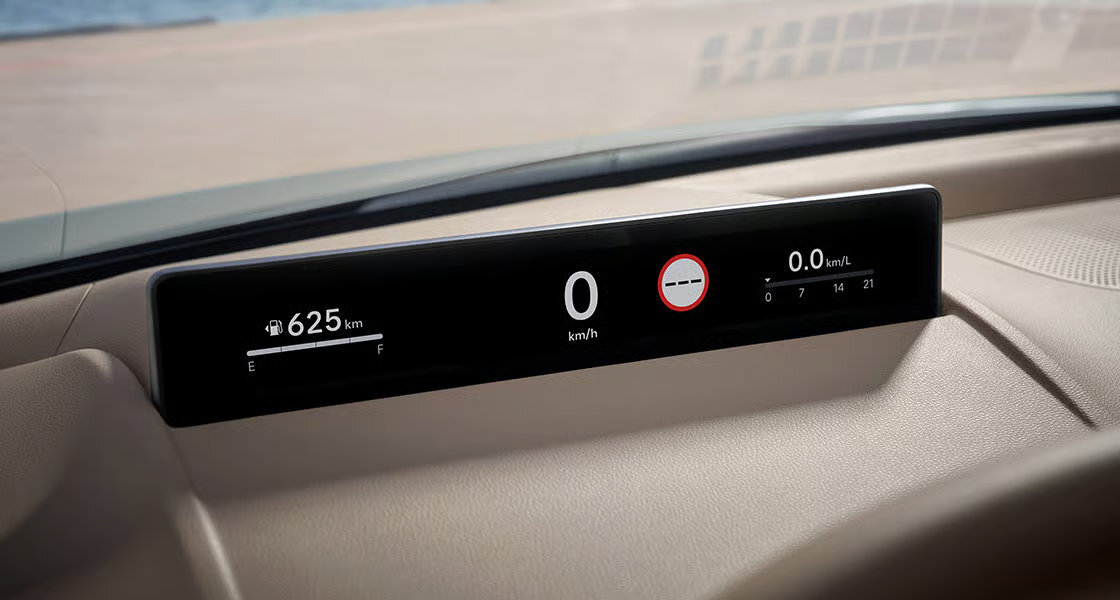
Even so, it’s pretty poor form from Hyundai to make such a small screen an optional extra, rather than fitting it as standard equipment. The display includes important functions like speed, speed-limit signs, range figures, and efficiency details. We’ve yet to try out the new Pleos system, but having to glance over to the infotainment display to check your speed is a bit of a nuisance.
The new Elantra and Tucson will be the first Hyundai models sold in the US with the Pleos Connect system next year. Here’s hoping we get slightly more well-equipped versions that include the cluster screen as standard equipment.