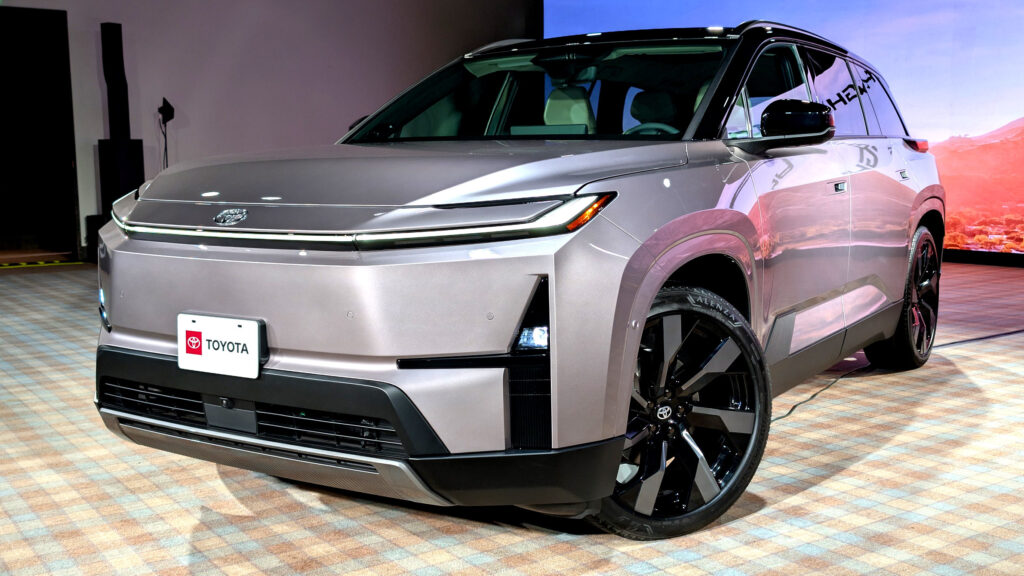



- Washington wants to cut fuel rules so new cars become cheaper to build.
- Whether that saving reaches buyers is left entirely to automakers.
- The proposal drops the fleet target to roughly 34.5 mpg by 2031.
Making cars more fuel efficient costs money. The Trump administration thinks requiring less of it could therefore make new cars cheaper. There’s just one problem. Even if Washington lowers the cost of building a car, there’s no guarantee you’ll pay less for it. The potential outcomes here are vast.
Transportation Secretary Sean Duffy said Monday that the administration will soon announce significantly lower Corporate Average Fuel Economy standards. “We are about to announce a common-sense fuel economy standard because we want Detroit to build cars that Americans want to buy – not cars that Democrats want Washington to build,” Duffy said.
The final numbers aren’t public yet, but according to Reuters, automakers expect something close to NHTSA’s December proposal. That would target a fleetwide average of roughly 34.5 mpg by 2031, dramatically below the approximately 50.4 mpg expected under Biden-era rules. The NHTSA estimated its proposal could reduce new-vehicle costs by about $930 apiece. That’s significant when affordability is one of the industry’s biggest problems. But lower manufacturing costs don’t automatically mean lower MSRPs.
Savings May Or May Not Reach You
Automakers could pass those savings to consumers, pocket some as additional margin, spend the money elsewhere, or use their newfound regulatory breathing room to sell more profitable, less-efficient vehicles. CAFE regulates manufacturers’ fleets, not the price of individual cars. That said, there could be a less obvious benefit to lower CAFE standards.
Tougher efficiency requirements encourage manufacturers to employ technologies, including friction reduction, low-viscosity lubricants, cylinder deactivation, downsized turbocharged engines and increasingly complicated transmissions. Less pressure to chase every fraction of an mpg could give engineers more freedom to prioritize simplicity, cost and durability.
That doesn’t mean lower CAFE requirements will magically eliminate recalls, but they could reduce the incentive to add complexity purely for incremental efficiency gains.
Detroit Moves Slower Than Washington
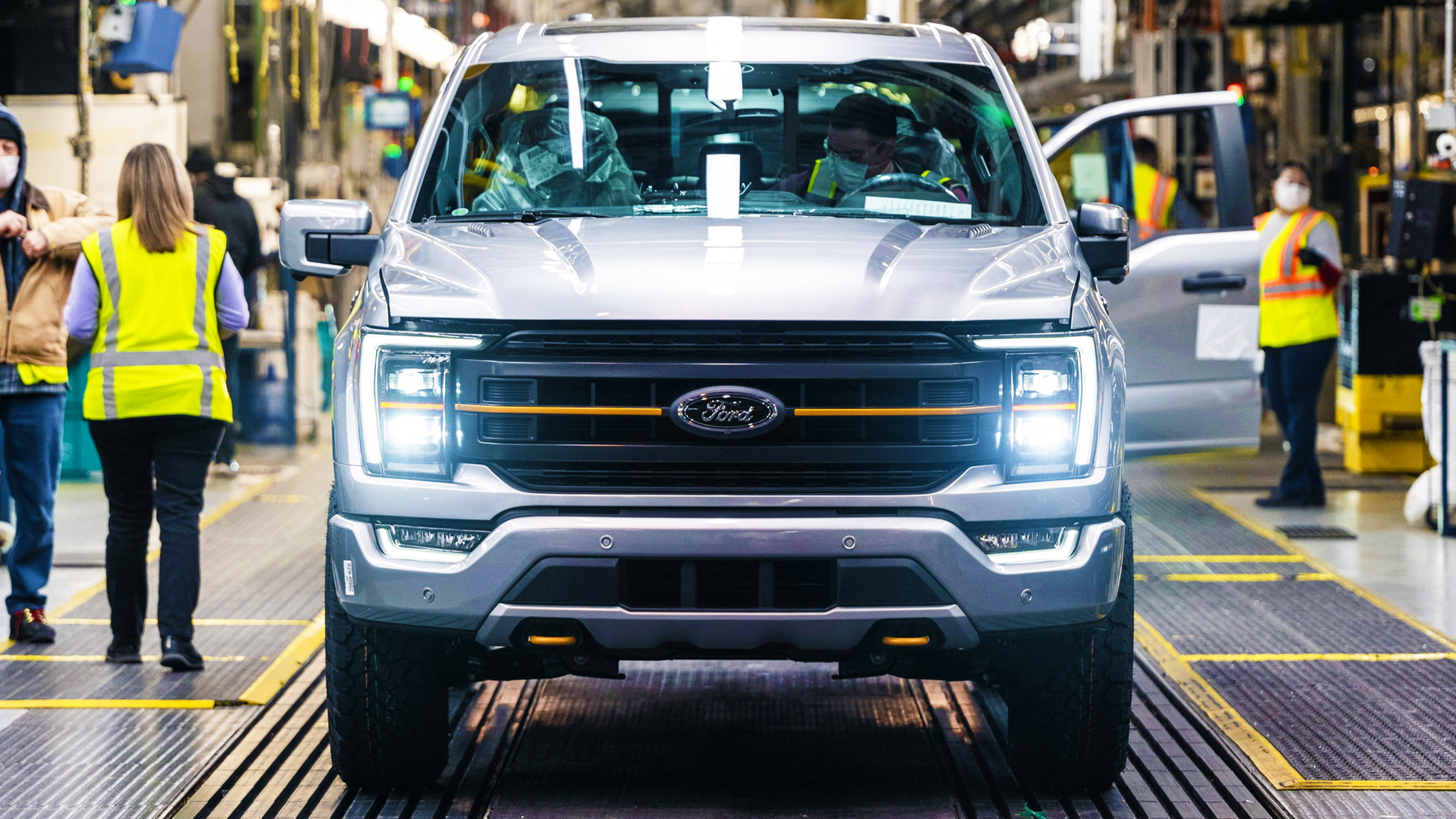
Credit: Ford
There’s another issue. Developing cars takes years. Much of what you’ll see in showrooms over the next few years is already well into development. The immediate benefit for automakers could therefore come from easier compliance, particularly because the proposal would retroactively lower requirements going back to the 2022 model year.
That said, meaningful changes to vehicle engineering and cost could take considerably longer. And by then, Washington could change its mind again. The next presidential election arrives in 2028, three years before these proposed standards reach their 2031 endpoint. If Democrats retake the White House, another administration could begin the lengthy rulemaking process of tightening CAFE standards again.
Let’s not forget that we’re in the middle of the pendulum swing right now. Automakers were pushing EVs, axing V8s, and planning for far harder standards. That came because Biden tightened standards after Trump, in his first term, weakened the ones that Obama had put in place. For an industry that plans vehicles five or more years ahead at times, it’s a huge issue. The political cycle can move faster than the product-development cycle. In that sense, we won’t know how these new EPA rules will impact the industry until several years from now.